
Sarcoidosis is an inflammatory condition which can affect different bodily organs. If you or someone you care about has been diagnosed with sarcoidosis, then this blog is for you. Here we take a look at the condition and then discuss three supplements which could contribute to successful management of sarcoidosis.
A Description of Sarcoidosis
April has been deemed Sarcoidosis Awareness Month by the Foundation for Sarcoidosis Research. About 175,000 Americans have this condition. Sarcoidosis is characterized by an immune system that causes localized inflammation in the body, leading to the formulation of granulomas. A granuloma is a collection of immune cells. These could cause a variety of symptoms, depending on where they are located. Sarcoidosis usually affects specific parts of the body, and is categorized and approached differently depending on where it appears.
Both the causes and the course of sarcoidosis can vary. The exact cause is not known. However, a combination of genetic and environmental factors can contribute to it. In many cases, an individual may have a genetic predisposition to experience sarcoidosis if they are exposed to certain triggers such as bacteria, viruses, chemicals, or dust. It can develop slowly over time, or quickly. In some cases, symptoms can appear and then disappear without treatment.
General symptoms can include pronounced fatigue, swollen lymph nodes, a slight fever, weight loss, joint pain and/or swelling. Some people, however, do not experience symptoms. In such cases, or those with only mild symptoms, sarcoidosis could go away on its own.
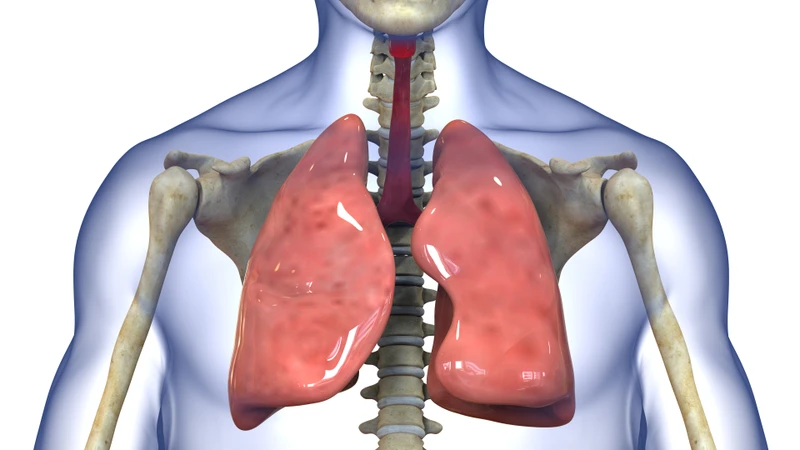
If you suspect you might have sarcoidosis, talk to your healthcare provider. There are different types of sarcoidosis, with pulmonary sarcoidosis one of the most common. It can cause chest pain, coughing, shortness of breath, and wheezing. Skin sarcoidosis manifests as rash and discoloration, and can cause scarring. More severe forms include sarcoidosis of the heart and neurosarcoidosis; These merit medical attention, and treatment tends to go best if it is found and treated early.
Supplements Which Could Help Treat Sarcoidosis
Specific dietary supplements have the potential to help manage sarcoidosis. Much of their potential benefit is due to their helpful effect on inflammation. Each of these should be considered in the context of medical treatment and management of sarcoidosis. Note, though, they are not a replacement for treatment where it is needed.
Fish oil containing omega-3 fatty acids is recommended because of the ability of these acids to mitigate bodily inflammation. Consider how fish oil could help in the context of other medical and lifestyle measures intended to mitigate inflammation from sarcoidosis.
Probiotic bacteria are healthy, beneficial bacteria that support gastrointestinal wellbeing, and could be supportive to the overall health of someone experiencing the immunity disruptions which are sarcoidosis. A probiotic supplement containing Lactobacillus acidophilus is ideal. A sarcoidosis patient taking immunosuppressant drugs should consult their healthcare provider before taking a probiotic supplement.
Turmeric is an herb, available in concentrated supplement form. It is highly recommended for combatting inflammation, and it could be helpful for sarcoidosis patients. Dosage of this supplement should be coordinated with the amount of inflammation present in a person’s body. Turmeric has the potential to also help regulate the immune system and prevent abnormal blood vessel growth.
Bromelain is a unique enzyme found in pineapple, and it could be of assistance because it is helpful for managing inflammation. Bromelain is sometimes paired with turmeric for this purpose.
If you or someone close to you has sarcoidosis, then you will probably want to take advantage of all means of managing it in order to avoid complications. Consider how these four supplements could be of help. It is highly recommended that you talk to your personal physician or other licensed healthcare provider before taking any supplement for sarcoidosis.