
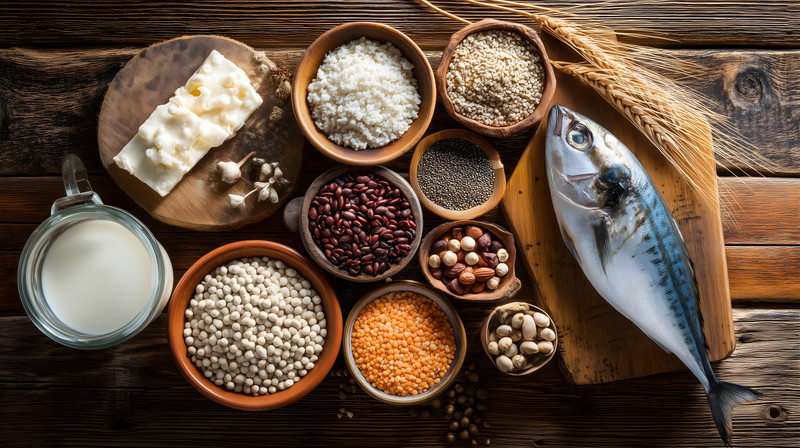
Almost anyone who has treated the study of essential minerals in the human body as a serious endeavor or as an embraceable hobby probably knows that calcium is the most abundant mineral in the body. It also happens to be one of the most popular supplements among supplement-savvy, health-conscious people drawn to calcium for its multifaceted touted properties.
But wait; this blog is not about calcium, although we bring it up again later, for good reason. Quick quiz: Which essential major minerals is No. 2 on the list in terms of abundance in your body? Good guess, as phosphorus just happens to be the subject of this blog, and, as No. 2 on the list of essential minerals in terms of abundance, phosphorus represents 1 percent of a person’s total body weight.
Before we get into the nuts and bolts of what phosphorus is and what it does, let’s quickly review what makes a mineral not just a mineral but an essential major mineral at that. As explained earlier in this series, your body can not survive for long if it is deficient in phosphorus or any of the major essential minerals. The novelty of this series is that our bodies do not provide or produce these essential minerals on their own. We must supply it ourselves, through what we eat and drink, and via supplementation.
By the way, we count seven minerals as major and essential, including phosphorus, although other experts claim there are eight majors. We’ll stick with seven for our purposes.
A Primer on Phosphorous
Most of the phosphorus found in the body – assuming you put a sufficient amount into your body via a healthy diet (think protein food groups of meat plus processed foods with sodium phosphate) mixed with a proper amount of supplementation – can be found in our bones and teeth. No surprise there, as phosphorus not only can be identified on every cell in the body, but its primary role in our bodies happens to be its involvement in the formation of bones and teeth. It’s a certified builder in other respects as well, serving as a building block for DNA (deoxyribonucleic acid), RNA (ribonucleic acid), fats, proteins, and sugars.
5 Natural Health Benefits Attributed to Phosphorus
Contributes to muscle health. Phosphorous not only plays a role in regulating proper contraction of muscles in motion, it can also support muscle recovery after exercise.
Guards your heart. One of phosphorus’s many talents is helping your kidneys expel excess calcium. As much as we need calcium for the sake of bone health, a buildup of calcium in the bloodstream can lead to a hardening of arteries, rendering you more susceptible to heart attack and stroke.
Fends off osteoporosis. Once inside your body, phosphorus and calcium are converted into calcium phosphate salts which can help strengthen your bones, thus contributing to the deterrence of osteoporosis..
Enhances production of energy. ATP (adenosine triphosphate) reigns as your body’s primary carrier of energy. The kicker here is that phosphorus is – and this is the appropriate term for this particular blog series – essential for the production of ATP.
Regulates body’s pH balance. Phosphorus has been described as a “buffer” in working to maintain balance of your body’s pH factor. That is, it helps regulate the acid-base of your blood, preventing it from turning too acidic or alkaline.
There are other health benefits imparted by phosphorus once it reaches your body, validating its status as an essential major mineral. Keep in mind, it’s always advisable to discuss the addition of any supplements to your regimen to make sure it won’t conflict with your body’s makeup or any prescription medicine(s) or other natural remedies (supplements) you might be taking.