
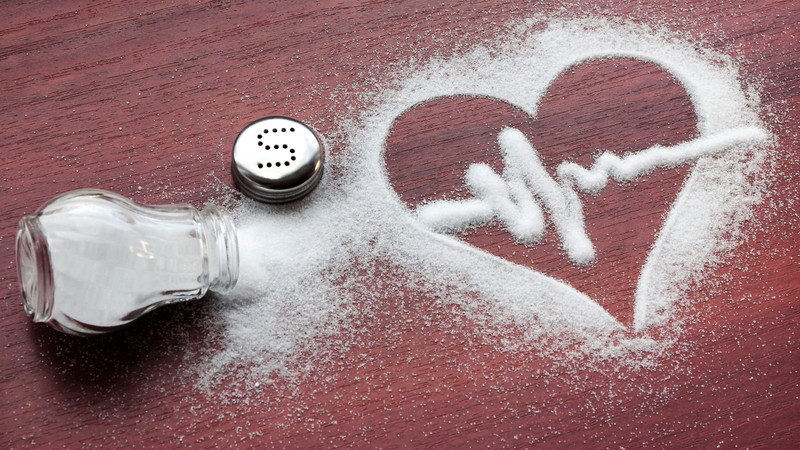
When you think of essential minerals, for instance, silver and copper, you likely picture substances that are strong and durable, and stand out from all other minerals. But as valuable as silver, copper, etc. are to man’s livelihoods and wealth, they are not as essential to man’s quality of life and good health as the likes, say, that phosphorous and sodium are.
Phosphorus and sodium are among a select few of the minerals in existence that are actually officially classified as essential. We are referring to those few, and we dare say “elite” minerals that our bodies require to activate enzymes that perform important roles in our body’s functionality.
What Essential Roles Does Sodium Perform?
In this, Part VI of our series on major essential minerals (there are also trace essential minerals we will cover in later blogs), we focus on sodium, which is most commonly known and popularized as one of the key ingredients of table salt. For many people, it hits their palate well as a seasoning for many different types of foods.
Sodium, like other major essential minerals, fills several key roles; among them in sodium’s case is maintaining a proper balance of fluids in the body and assisting in the regular contraction of muscles, in addition to playing a part in sending out nerve impulses. Found in many different types of foods, sodium also regulates blood pressure and helps control the amount of blood that circulates within your body. A corollary to that is that an excess amount of sodium in your body is often connected to the unwelcomed presence of hypertension (high blood pressure), which in turn can ramp up the risk of heart and kidney ailments.
A Further Look at Sodium’s Benefits
Sodium is also classified as an electrolyte, putting it in a group of minerals that carry an electric charge and can therefore help stabilize proper fluid and blood volumes as mentioned above, in addition to helping maintain a healthy heart rhythm. Because sodium is an essential mineral, our bodies can’t survive without it. In that regard, it is also a requisite for sustaining a stable cellular environment known as “cellular homeostasis.” If sodium levels get out of whack, either up or down, our cells can’t properly perform, leading to conditions in which our body’s systems will be unable to perform their operations optimally.
It is also worth pointing out that sodium’s extraordinary versatility is also evident in its interplay with your body’s enhanced glucose absorption and nervous system. It’s no wonder that many athletes depend on electrolyte drinks during and after workouts to keep their bodies properly nourished with life-health affirming ingredients, such as sodium.
In terms of its work in helping to maintain proper volumes of blood and fluids in your body, sodium plays out its role as a vital ion, reportedly teaming with bicarbonate and chloride in sustaining proper equilibrium of positive and negative ions in your bodily fluids and tissues.
There are supplements in the marketplace that can help you maintain healthy levels of sodium in your body, which is indispensable to your overall health and performance of your body’s “operating systems.” But you also want to be careful about ingesting too much sodium, keeping in mind that many foods you consume already contain healthy supplies of sodium. If you have any concerns or questions about supplementing your dietary intake with sodium, be sure to discuss it with your personal physician or other licensed healthcare professional.