
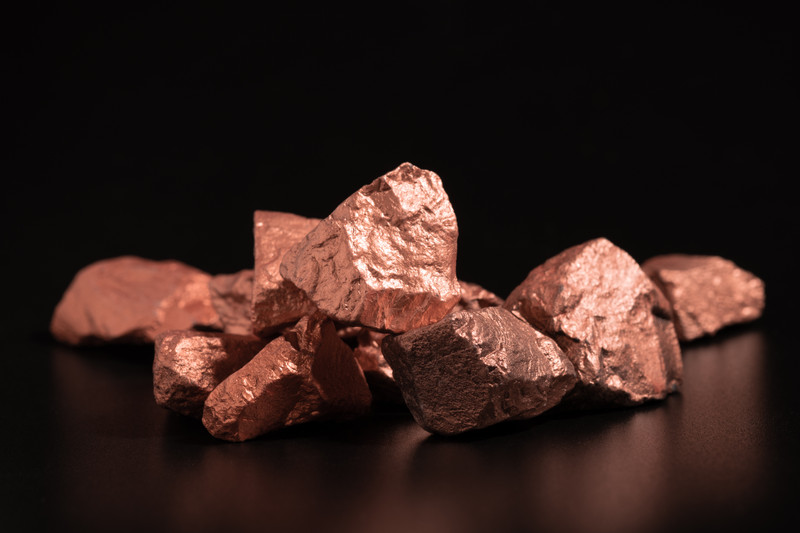
Anyone reading this blog should already know that copper is a metal, because of the penny (by the way, get ready to say goodbye to the penny!). But, it is also a nutrient. In fact, copper is considered an essential trace mineral. Here, we see at what that means exactly, and then we do a brief study of three health contexts wherein a copper supplement could prove helpful.
Copper: An Essential Trace Mineral
Copper is one of eight essential trace minerals required for proper physiological functioning in humans. Essential trace minerals (also called microminerals) are needed by the human body, but only in small amounts. The recommended daily allowance (RDA) for most trace minerals is between .12 and 15 mg of each of them per day. The RDA for copper for adult men and women is 900 mcg.
Many people consume copper in their diet and enough to meet the RDA. However, some people might experience a deficiency in copper, and it is those people most likely to benefit from taking copper in supplement form. Copper deficiency could cause specific health issues, including anemia, hypopigmentation, hypercholesterolemia, connective tissue disorders, osteoporosis and others. Those most at risk of copper deficiency are those already experiencing certain health conditions. The most significant risk would be for those with celiac disease (who must maintain a strict gluten-free diet to avoid complications).
When Can a Copper Supplement Be Beneficial?
As an essential trace mineral, copper is necessary, but only in a very small amount each day. Consuming too much copper by way of foods or a supplement can be disruptive to one’s health, and it can cause liver damage and a variety of abdominal symptoms. This is rare and unlikely, because the upper limit for copper consumption in a single day is about 10,000mcg for adults. Taken properly, a copper supplement can be beneficial in certain health circumstances.
Preventing anemia: A deficiency in copper can lead to anemia, wherein the bloodstream experiences a shortage of red blood cells. Anemia causes symptoms such as fatigue, weakness, headache, and shortness of breath. If your doctor determines that you are experiencing anemia due to a copper deficiency, then a copper supplement could make all the difference, certainly a positive one.
Managing celiac disease: The dietary restrictions which individuals with celiac disease are likely to rely on can lead to copper deficiency. Evidence suggests that regular copper supplementation over the span of about a month can remedy a copper deficiency in someone with celiac disease, while they also maintain a gluten-free diet.
Mitigating osteoporosis: Because of how copper is stored in the body, intake of copper could have a beneficial effect in slowing the progression of osteoporosis. This is because about two-thirds of copper in the human body is stored in the bones. Some studies in this area suggest that a copper supplement can slow bone loss and promote healthy resorption of bone tissue. A complex supplement containing calcium and other minerals along with copper is recommended for those with osteoporosis.
Copper is often included along with other minerals in a complex supplement. Copper can be found on this website in a supplement labeled and intended to support growth and growth hormone levels, as well as in some multivitamin formulations. If you believe you could be deficient in copper, talk to your healthcare provider about taking it in supplement form before actually doing so.