
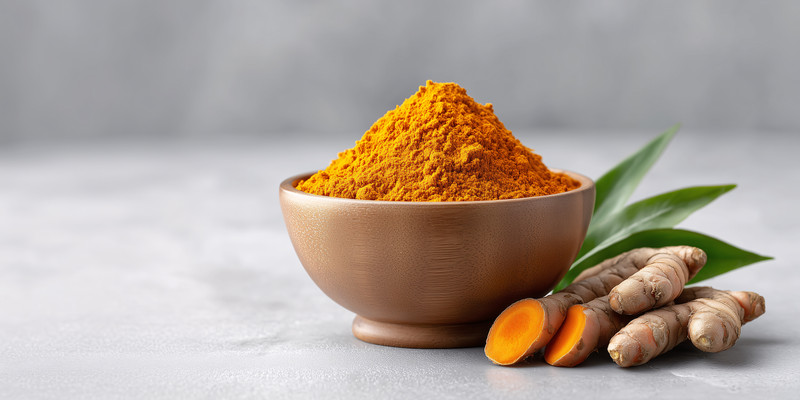
Turmeric has been around for a few thousand years as both a spice coveted by culinary artists who have and appreciate good taste as well as a key ingredient savored by healthcare practitioners familiar with Ayurvedic and other forms of traditional medicines practiced in China and India. It’s only in recent decades, however, that turmeric has truly “arrived” on the scene in Western medicine. The best medical minds in America are learning of the wonders turmeric can work as a natural remedy able to help fend off one health issue or treat another.
Turmeric also continues to gain notoriety and popularity among the general populace as an over-the-counter, plant-based supplement that has demonstrated the ability to provide numerous health benefits. For one thing it carries an abundance of phytonutrients that can help protects your body by neutralizing free radicals (from sources such as pollution) and giving cover to cells otherwise vulnerable to damage.
The primary active ingredient in turmeric is curcumin, which offers preventive health benefits on its own. Another of curcumin’s roles is that it is what provides the vibrant golden hues familiar to turmeric’s health proponents as well as its culinary artist. Not only is curcumin a robust anti-inflammatory, it is also an antioxidant able to alleviate joint pain and bolster the body’s digestive and immunity prowess.
Five Fab Benefits Associated with Turmeric
We’ve already touched briefly on a few of turmeric’s and curcumin’s capabilities, but let’s delve a bit deeper into five of this compound’s most interesting properties that are of high importance to anyone proactive in maintaining and improving their own state of health on a regular basis. In no particular order:
Minimize respiratory issues. One common occurrence for almost everyone dealing with such symptoms as coughing, wheezing, and/or shortness of breath related to a respiratory condition is obstructive inflammation that occurs in the airways. Sources can include environmental stimuli (such as air pollution), infection, or a smoking habit. Studies have indicated turmeric is capable of diminishing inflammatory substances responsible for the swelling and irritations in the lungs and airways. Curcumin can also help, thanks to its antioxidant property which can reduce damage brought on by excessive exposure to toxins over time.
Provide an anti-aging aspect. This in part goes back to our earlier mention of curcumin’s antioxidant characteristics, which makes curcumin – and therefore turmeric – suitable for combatting those strongly reactive molecules known as free radicals that can wreak havoc while damaging other cells in your body. It is this kind of oxidative damage that some experts have linked to aging as well as some diseases.
Reduce risk of heart disease. Heart disease is the No. 1 cause of death, and studies have shown that curcumin is up to the challenge of chipping in to offer protection against the kind of inflammation and oxidation often associated with the emergence of heart disease.
Boost your immune system. We have already referenced curcumin’s possession of antioxidant and anti-inflammatory powers. We can also add “antimicrobial” to curcumin’s quiver of arrows to be aimed at wannabe invaders of our body and its health. Those three “anti” weapons make turmeric/curcumin well equipped to enhance our immunity and help ward off those pesky foreign invaders that might otherwise overwhelm our immune system. Ingesting turmeric/curcumin in tandem with black pepper can further fortify turmeric’s state of readiness to help drive away potential illness or disease.
Improve memory. You can add this to our inventory of anti-aging properties of turmeric/curcumin. How so? Research suggests that curcumin’s antioxidant nature, relative to a reduction in brain inflammation, consequently, can lead to less loss of neurocognition (the capacity to think and reason). There’s even a belief among scientists that curcumin might someday be able to prevent the development of Alzheimer’s disease, although significantly more research is called for.
Although we detailed five major health benefits of turmeric/curcumin, we might just be scratching the surface of turmeric’s health-inducing abilities, which, among other things, also appears able to reduce the symptoms of depression, alleviate the joint pain linked to arthritis, and help mitigate the pain and discomfort linked to inflammatory bowel disease (IBD). Be sure to discuss your possible use of adding turmeric/curcumin to your daily regimen to make sure your body and this natural remedy are compatible.