
Vitamin D is unique among supplements, herbs, and vitamins that comprise the world of natural remedies. It is believed to be the only such compound that can be acquired and processed by your body by your being out in the sun long enough for the sun to, literally, go to work on you. Surprise at sunrise: the sun’s UVB rays are the most bountiful supply of vitamin D, which is why it long ago became known as the “Sunshine Vitamin.”
Apparently, though, many people are not being exposed to the sun in sufficient amounts. That premise is based on estimates that say 75 percent of Americans are deficient of vitamin D. Why is that important to know? Because vitamin D plays several instrumental roles in your body, such as supporting your immune system. Its most significant role arguably is taking the wheel in building strong bones in your body, in conjunction with calcium. Note, too, that your body can’t absorb calcium without a sufficient supply of vitamin D.
What D does in this regard is regulate the blood’s concentrations of calcium and phosphate, spurring proper bone mineralization and growth. The bottom line, though, is that if your body’s vitamin D supply is below where it needs to be, you are susceptible to unwanted conditions such as rickets, osteoporosis, depression, heart disease, and hypertension (high blood pressure).
How Do UVB Rays Generate Vitamin D Production?
These sun’s rays (UVB is short for Ultraviolet-B radiation), when hitting your skin, transform select blood components that contain cholesterol into vitamin D3. That’s good because without vitamin D in sufficient supply within your body, your bones can become soft, thin, and brittle.
One thing to keep in mind about exposing yourself to the sun, and this is especially true for people with light complexions, depending on the sun to generate vitamin D is walking a tightrope between health-related outcomes. Not getting enough sun can mean a vitamin D deficiency for you, but getting too much sun can mean a sunburn with short- and long-term skin-damage consequences. Using sunscreen can help protect you against the ill effects of the UVB rays is fine, but its covering your skin will also likely reduce the amount of vitamin D your body can absorb from the sun.
5 More of Vitamin D’s Best Health Benefits
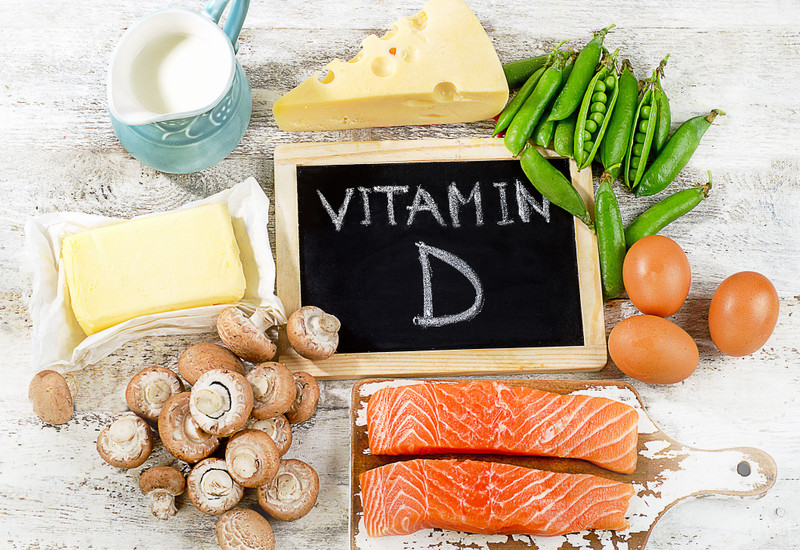
Vitamin D’s nationwide emergence in popularity, at least in the U.S., in part explains why it now merits unofficial designation as a “super” (our word) supplement. Our bodies generate very little of it on its own, even with the help of the sun, and D unlike most vitamins and other well-known supplements just isn’t found in many food sources. Vitamin D is used to fortify milk, but it doesn’t come from it.
Following are five of D’s other best attributes (in addition to those mentioned above) that have made it one of the best-selling supplements on the market:
- Impacts immune-system development (especially in children). Vitamin D’s presence is largely responsible to the health of the thymus, an organ found in the immune system that is essential to teaching T-cells what’s “friend or foe” to our good health early in life. A study involving mice genetically altered to completely lack vitamin D discovered that their thymuses aged quickly, leaving them more susceptible to autoimmune diseases in which the immune system attacks the tissues of its own body.
- Supports the immune system’s functionality. Vitamin D does this by spurring the production of antimicrobial agents that mimic natural antibiotics and antiviral agents.
- Assists cognitive health. Research has shown some links between low levels of vitamin D and a person’s ability to think and learn.
- Helps Curtail Advancement of Osteoporosis. Studies have indicated that osteoporosis sufferers can slow bone mineral loss by sufficient ingestion of vitamin D and calcium.
- Assists in Protecting Against COVID (and other infections). More study is needed, but some studies have linked vitamin D to provision of protective measures against bacterial and viral infections.
Vitamin D is vital to providing support for many health concerns as shown by its ability to handle so many different roles in protecting our health and limiting damage to our bodies from outside invaders. Be sure to discuss your possible use of vitamin D going forward with your personal physician or other healthcare professional.