
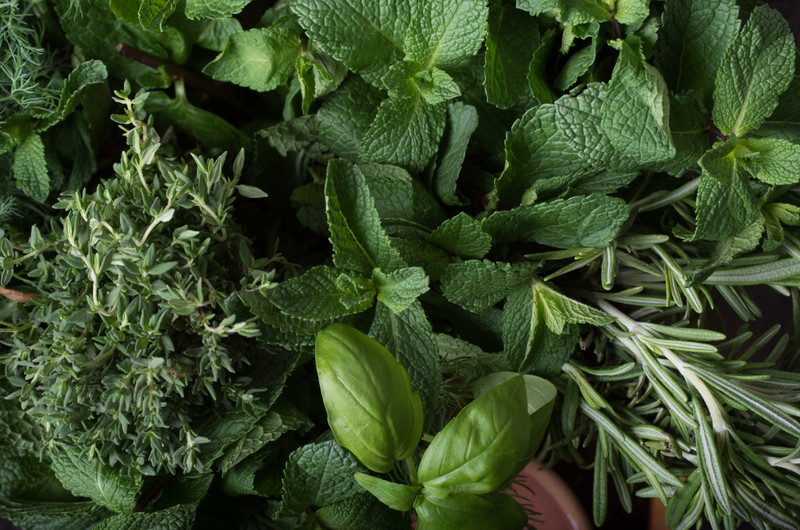
When referring to a healthy diet, we think primarily in terms of the foods we eat. Healthy foods are, of course, central to a healthy diet, but herbs and spices can play a meaningful role, too. Here is Part 2 in our series, “Herbs and Spices to Contribute to a Healthy Diet.” Here, we discuss three plant-based supplements that are powerful and effective, good to keep in mind or even in your pantry.
Herbs and Spices Contribute to a Healthy Diet
The components to a healthy diet can vary to some degree among people, but the pillars of nutrition are fundamental to everyone. All three macronutrients (carbohydrates, fats, and proteins) are required in order to comprise a nutritious diet. Additionally, vitamins, minerals, and water are the other three essential components to a nutritious diet. While the bulk of these can be provided through a varied diet, herbs and spices remain a unique source of micronutrients for human health.
Aside from their appealing flavors, herbs and spices have long been consumed for their medicinal purposes. What is the difference between herbs and spices? Spices are derived from the dried roots, bark, seeds, and fruits of certain plants, while herbs are derived from the fresher parts of plants, usually the leaves.
Three Healthy Herbal and Spice-Derived Supplements
Curcumin is a natural substance that is the most important curcuminoid, or active ingredient, derived from the spice known as turmeric. Studies show that curcumin, taken in sufficient amounts, can fight the inflammation and symptoms associated with rheumatoid arthritis and other diseases. Research also shows that curcumin can increase the antioxidant capacity of the body. Both of these benefits are huge for long-term health outcomes and disease prevention. High doses are needed to produce clinically significant results. It is important to know that curcumin is fat-soluble. For this reason, it is recommended to consume concentrated amounts of turmeric alongside a meal that is high in fat.
Garlic (from a bulb or garlic oil) is an herb with a very pungent flavor and multiple health benefits. This is because garlic is naturally stoked with vitamins and minerals, including vitamins C and B6, manganese, selenium, and more. It also contains a natural compound, allicin, known for its antimicrobial and antioxidant attributes. The many healthful properties of garlic can help protect cells and boost the immune system’s ability to fight off infections. The most important benefits of garlic to human health are aimed at the heart and cardiovascular system. Garlic can manage cholesterol and help relax blood vessels, thereby contributing to improved circulation and reduced risk of heart disease and stroke. Garlic also provides heart-health benefits that can improve health outcomes for those with elevated blood-sugar levels. To get the benefits of garlic, consider a garlic supplement containing concentrated garlic bulb or a garlic oil supplement.
Ginger is an herb that provides multiple benefits to digestion and overall health. It has been shown to improve gastrointestinal motility as well as relieve nausea that is caused by various circumstances, including pregnancy. Ginger can also reduce bloating by inhibiting the chemical processes that contribute to excess gas production. Like the other herbs discussed here, ginger also provides general antioxidant and anti-inflammatory benefits.
Curcumin, garlic, and ginger in concentrated supplement form can all deliver beneficial effects to your health. As you consider your health circumstances and the herbal aspect of your diet as it is now, think of how one or more of these three supplements could support your health even more. Talk to your healthcare provider before taking any supplement for the first time.