
Over the past six months or so, dating back to early fall 2025, we have been featuring a “Marvelous Mushrooms” series. In it we have been taking a look at the nature, constituents, and health benefits of various popular mushrooms, also known as a type of “fungi,” available in supplemental form over the counter. All are renowned for their respective robust attributes that have made them popular, even essential, natural remedies dating back hundreds, even thousands of years.
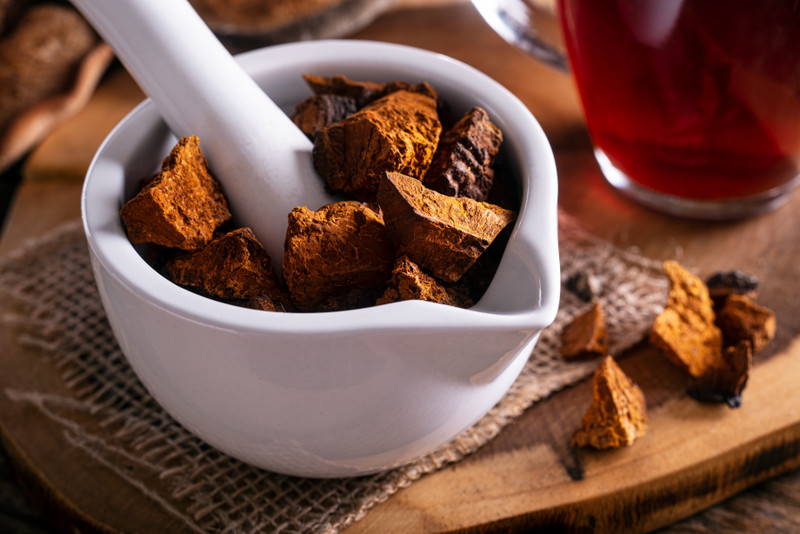
Our first five blogs in the series featured reishi, shiitake, maitake, cordyceps, and lion’s mane mushrooms. Here, in Part VI of this series, we explore chaga mushrooms which are noted for their knobby, rocklike appearance, which has also been simply described as “ugly.” They grow on birch trees in cooler climates (such as Siberia, Canada, and Alaska) and they taste like no other mushrooms – edible mushrooms, that is – with a bitter flavor described as similar to vanilla. Even though those factors separate chaga from most other traditional edible mushrooms, they hold their own alongside other ’rooms with their potent health-sustaining antioxidant and antibacterial properties.
As a group, with each type of mushroom having characteristics unique to themselves, mushrooms together act as effective supplements mainly because of their naturally created bioactive compounds, primarily beta-glucans, antioxidants (such as ergothioneine and selenium), and immunity-regulating polysaccharides. So equipped, they can bolster your immune system, decrease chronic inflammation, and provide prebiotic fiber good for your gut health, among other health benefits. Along those lines, chaga fits in well.
A Brief Introduction to Chaga Mushrooms
Among chaga’s constituents are antioxidants, which are hard at work protecting your body from cell-damaging free radicals. One of those antioxidants is melanin, which guards your skin from the harmful effects of UV radiation. And by having an abundance of beta-glucans, chaga mushrooms can play a key role in strengthening your immune system. Chagas also contain anti-inflammatory characteristics such as those provided by betulinic acid and ergosterol peroxide.
4 Specific Health Benefits Linked to Chaga Mushrooms
We’ve offered some generalities about the nature of chaga and what makes them such well-rounded supplements. Let’s now get more specific with some of their most noteworthy good health-inducing attributes:
Thwart inflammation. Inflammation is often a key contributor to chronic conditions such as chronic pain, and the antioxidant capability of chaga can cut down gut inflammation, which has been identified as a contributing factor to irritable bowel syndrome (IBS).
Reduce blood-sugar levels. Several studies have shown promise in decreasing elevated blood-sugar levels – reductions as high as 31 percent – while also improving insulin resistance.
Bolster immunity. Various types of studies published in medical journals have claimed that chaga can ramp up both antibacterial and antiviral traits via its propensity to boost the number of white blood cells in your body.
Lower cholesterol. Animal studies have pointed out chaga’s antioxidant potential. Test subjects that were fed chaga mushroom extract saw their bad cholesterol levels (LDL) go down and their good cholesterol levels (HDL) go up. Chaga thus appears capable of being a stout fighter in the war against clogged arteries and heart disease.
Chaga mushrooms, and edible/medicinal mushrooms in general, have become “rising hot properties” – sort of like up-and-coming movie stars – in the world of health science. They are often hailed as emerging natural remedies praised for their avoidance of producing nasty side effects often accompanying prescription medicines. But the fact is, medicinal mushrooms have been around a very long time, used in traditional medical practices dating back many centuries. Chagas have even been labeled as “superfoods” because of all the ”anti” weapons it comes packing with – such as antioxidant, anti-inflammatory, antibacterial, and antiviral agents. . Check them out (research) for yourself, but before actually trying any, be sure to discuss their use with your personal physician to make sure they won’t conflict with any other medications you might be taking.