
Are you helped by first-choice supplements (e.g., vitamin D, magnesium) already, but wondering if there are other natural but lesser-known supplements that could help you? Or, are you looking to find a new supplement for your needs, which you feel you might have missed? If so, then keep reading..
Here, we continue our series Singing the Praises of Unsung Supplements with Part X. This is a blog series in which we introduce our shoppers to effective products, often with very specific uses, which are not altogether well-known. Following is a look at three less-than-well-known supplements which could provide specific health benefits to you, or to one of your loved ones:
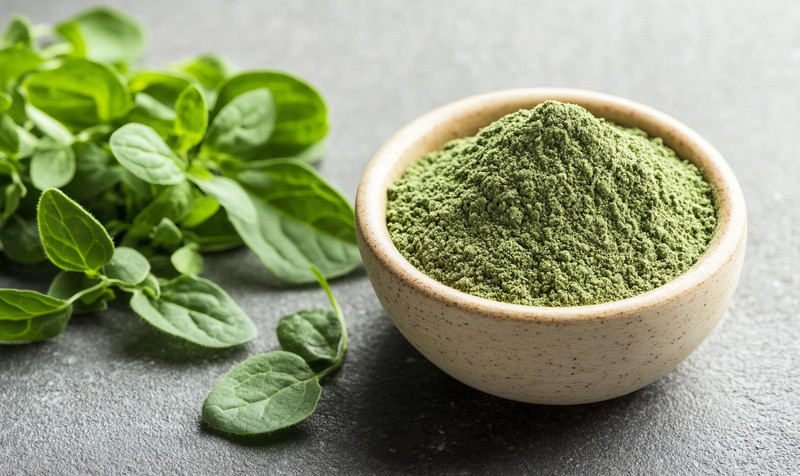
Alfalfa leaves: This is a plant-based supplement. Alfalfa is a perennial plant that has been used in traditional medicine for a long time. It grows up to 3 feet high, has long, narrow leaves, and produces flowers. Alfalfa is naturally loaded with vitamins and minerals including calcium, potassium, phosphorus, and iron. In natural medicine, alfalfa leaves are used to treat various disorders including diabetes and arthritis. It has multiple specific physiological benefits. Studies suggest alfalfa could control blood sugar levels by slowing glucose absorption. The antioxidants contained in alfalfa can benefit cells by protecting them from oxidative stress. Research suggests that alfalfa could also help women experiencing premenstrual syndrome by mimicking the hormonal interactions of estrogen.
Ubiquinol is a form of coenzyme Q10 that is chemically reduced from its primary form, and is actually the most common form of this healthy compound circulating in your bloodstream. The primary physiological benefit of this compound is to reduce oxidative stress, thereby providing a number of potential benefits for the long-term health of aging men and women. Among these benefits include supporting skin health, and improving exercise performance by supporting mitochondrial function. More serious potential benefits of ubiquinol include that of supporting lung function in persons with COPD, reducing risk of cognitive decline and disease, and preventing other more serious forms of disease. For most aging men and women, ubiquinol is worth considering.
Zeaxanthin (for eyes, with lutein) is a carotenoid, which is a plant-derived antioxidant. It is often found coupled with lutein, another carotenoid with similar properties. The foremost benefit of taking zeaxanthin is that of benefitting the health of your eyes. It helps both by blocking damage from ultraviolet light, and by reducing oxidative damage to the eyes. Studies show that zeaxanthin could help to improve vision in those with macular degeneration and those with cataracts. Another benefit of zeaxanthin is to reduce atherosclerosis (arterial plaque build-up), by managing both positive and negative cholesterol in the blood. Consider a zeaxanthin/lutein supplement for your long-term eye health, and cardiovascular health.
Alfalfa leaves, ubiquinol, and zeaxanthin all provide fundamental benefits which can support healthy aging in multiple ways, and reduce risk of disease. Consider how these three often-overlooked supplements could help you. Talk to your healthcare provider for advice and suggestions as you consider these for your own care, always exercising caution.