
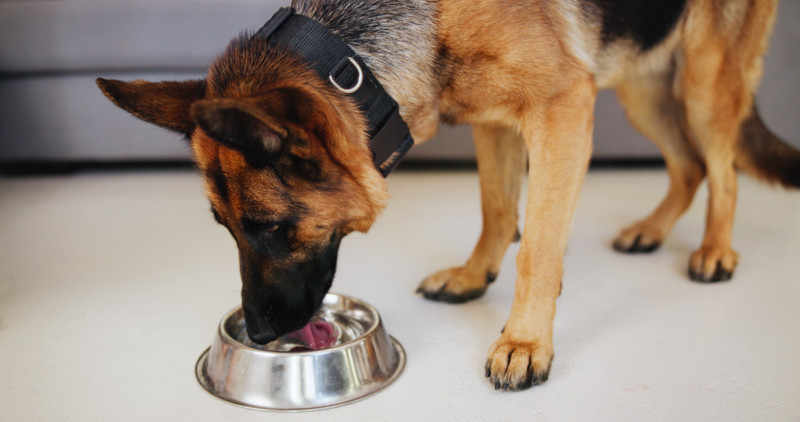
We have often heard it said that a dog is man’s (and woman’s) best friend. But let’s flip that for a moment and ask, What is a dog’s best friend? You could answer that by saying a dog’s best friend is a companion canine of the opposite gender; a master who caters to his pet mutt’s every whim and need; or a bone that tastes just too good and yet presents enough of a challenge to keep your fur animal occupied perhaps for hours on end.
We have a better answer: slippery elm bark, an herb which acts as a natural remedy that can work wonders for a dog’s digestive system, among other ways in which it can impart healthy outcomes for which a dog can only wish it could find the right words.
What Is Slippery Elm Bark?
The “bark” part of the name isn’t meant to be a pun referring to a dog’s primary mode of communication (such as when he or she is trying to find the right words to acquire their master’s attention or affection). The fact is, and we are serious about this, is that slippery elm bark, a natural prebiotic, is indeed sourced from the bark of a tree. What kind of tree? You guessed it: an elm tree, actually an elm from the genus Ulmus rubra, which is native to the northeastern United States and called various names such as Indian Elm, Red Elm, or Gray Elm, and which for centuries has been harvested by native Americans.
It is actually the inner bark from a deciduous tree that is used in the formulation of slippery elm bark. This bark is a substance which is soft and springy, which apparently suggests it would go down easily for dogs being treated for its digestive health, as well as many other health-related purposes.
We mention the digestive system first here because of the array of benefits slippery elm provides that fall under the heading of digestion. These include serving as a quick-acting salve for related conditions such as diarrhea, constipation, and irritable bowel syndrome (and yes, dogs are occasionally afflicted with physical ailments that also tag humans). Dog owners know this all too well.
Slippery elm’s impressive medicinal characteristics includes acting as a demulcent (by virtue of its natural substance mucilage, which acts as a protective film to alleviate the dog’s mucous membrane discomfort); as a laxative; as an emollient (to aid in softening and soothing the skin); and as an astringent, nutritive, and anti-inflammatory – and you can look those up, although their properties are included in the conditions described below.
5 Common Dog Afflictions Targeted by Slippery Elm Bark
In no particular order, slippery elm bark is good for:
- Treating acute diarrhea: It can treat diarrhea by reducing related inflammation, both by its oily mucilage helping to lubricate the digestive tract and by its astringent properties tightening the tract’s lining. In a similar manner, slippery elm also might help treat other related conditions such as gastritis, colitis, and inflammatory bowel issues.
- Aiding recuperation from illness: This herb provides an abundance of nutrients such as carbs, protein, beta-carotene, and calcium that can benefit a dog recovering from sickness, such that the dog might be able to keep down the bark when other swallowed munchies aren’t cooperating.
- Bolstering immune function: A dog’s immune system resides primarily in the gut which also happens to be where most possibly harmful bacteria enter the body. Slippery elm helps immunity by providing the gut with a lining that can help trap bad bacteria in the mucus.
- Managing weight: Slippery elm’s inclination for stabilizing blood sugar levels also has been shown through research to help control a dog’s weight.
- Healing skin wounds: Because it is an astringent (a substance that contracts skin cells and other tissues of the body), slippery elm can hasten the healing of wounds by drying them out and stopping bleeding.
As described above, slippery elm bark, a natural herb-sourced remedy, can go a long way in protecting your pooch’s health and comfort in a wide variety of areas. Before giving it a try for your pet, though, consider a discussion with your veterinarian just to go into any treatment safely and in a manner feasible for your dog.