
When most of all were kids and teens, we (sometimes) listened as our parents, teachers, and the nutritionists responsible for school lunch programs preached to use fruits and vegetables were among the best foods to be served, even if not savored. When it comes to making a choice or at least following guidance in respect to veggies, though, children over the years have at least shown a fondness for the likes of peas and carrots (of course), as well as corn, cucumbers, and sweet potatoes. Broccoli and asparagus can be an acquired taste as well.
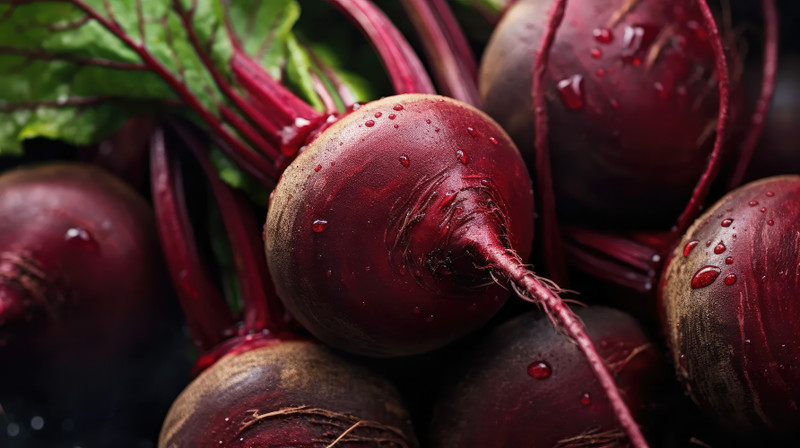
But where do beets rank? Put it another way, how often does that dark-red, juicy veggie with the earthy aroma make the short list of foods favored by the young ’uns? Not much; in fact, it probably ranks right up (or down) there with the likes of spinach in terms of vegetables to be shunned. Maybe not for long, though. In recent years, youngsters as well as their parents and other grownups have been discovering that the health benefits of beets are unsurpassed by most other food types, and, as a nutritional supplement, beet-centered products appear to be passing all the tests.
What Makes Beets so Special?
Where do we start? OK, let’s start with the nutritional components. They flourish in this shiny red veggie. Its “punch list” of nutrients includes a healthy dose of fiber, folate, manganese, copper, potassium, magnesium, vitamin C, vitamin B6, and iron. That’s a pretty impressive grouping of robust ingredients to have around (and in your body), helping to exploit the versatility of beets. Its health pluses range from cardiovascular benefits (such as reducing elevated blood pressure) to enhancing athletic performance and possibly boosting or at least maintaining cognitive performance.
“Beets are unique for their cardiovascular and heart health benefits,” registered dietitian Sarah Thomsen Ferreira, RD, says, according to health.clevelandclinic.org. “Due to a combination of compounds found in beets, they are able to enhance blood flow, improve the health of arteries, support lower homocysteine levels, and reduce LDL cholesterol.”
Among those beet components are betalains, which are a natural bioactive plant pigment with anti-inflammatory and antioxidant capabilities. These give beets other possible attributes to thwart the oxidative stress and chronic inflammation associated with conditions such as liver disease and arthritis. Beetroot is also abundant in nitrates, which has key roles in improving blood flow and lowering BP while also supporting exercise endurance and improved athletic performance (and in a perfectly legal manner, we might add).
3 of Beet’s Other Potential Health Benefits
Help digestive health. The fiber found in beetroot has been linked to proper bowel function and supporting a healthy gut environment. Furthermore, betalains, yet another part of beets, have been shown able to ramp up the gut’s beneficial bacteria’s capacity to aid in the production of helpful short chain fatty acids.
Support a post-menopausal diet. Beets’ natural nitrate richness has been affiliated with an ability to help keep arteries flexible, thus diminishing the risk of elevated blood pressure and warding off an increased heart-disease menace facing women who have gone through menopause.
Boost energy levels during exercise. Low in fat and calories but bounteous in water, beets can not only assist your body in balancing energy intake but could also help in desired weight-loss activity.
We reaffirm our suggestion to consider adding beets or beet supplementation to your diet or daily regimen. Beet’s abundance in antioxidant and anti-inflammation properties make it a natural remedy to help you round out your overall health (and fitness) profile. Before adding a beet supplement to your diet, though, be sure to discuss its use with your personal physician or other healthcare professional. You want to make certain it won’t conflict with any medication(s) you might be taking or exacerbate any pre-existing health issues that could pose a problem with your ingestion of a beet product.