
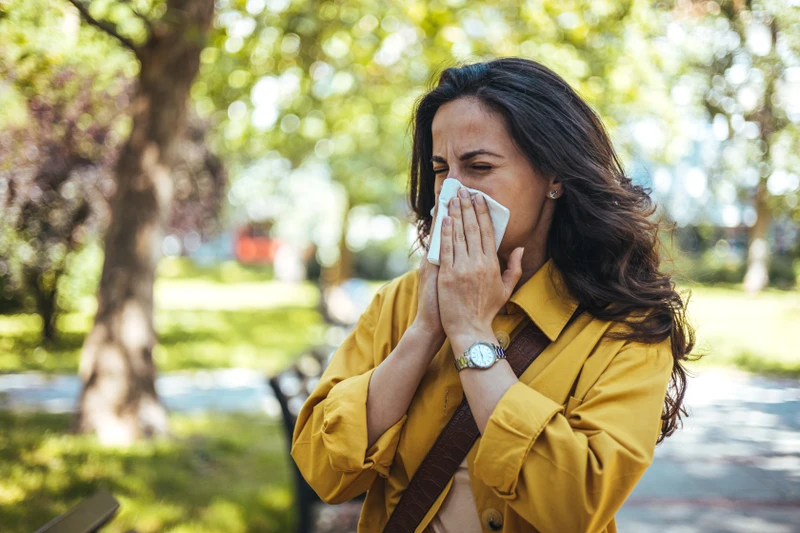
Are you anticipating a bout of spring allergy symptoms in the coming weeks? If so, it is be3st to know in advance how to handle it, and that advice is warranted even if you are not anticipating a bout with allergies. For much of the country, it is already here. Here, we look at the specific causes and timing of this seasonal struggle. Then we discuss three of the best-suited natural supplements to reduce the symptoms of spring allergies.
What Causes Spring Allergies?
Recurrent bouts of spring allergy symptoms year after year is an expected experience for many people. About 1 in 3 adults experience seasonal allergies. and a vast portion of these are in the spring. The onset of spring allergy symptoms is also called hay fever or allergic rhinitis. This unwanted and annoying condition is the manifestation of the immune system’s reaction to plant pollen that has been released into the air. The type of plants responsible include trees, grasses, flowers and weeds. When an immune system which rejects pollen goes into action, it releases histamine, which causes symptoms in the sinuses, and sometimes other parts of the body. Many of these are caused by inflammation, resulting from histamine production.
You might be someone who knows the characteristic symptoms of allergic rhinitis. They include itchy and watery eyes, a stuffy and runny nose, sinus pressure, sneezing, fatigue, and a sore throat. These can mimic the common cold, but a major difference is that spring allergy
In spring, different tree types, including birch, cedar, cottonwood and pine, are the predominant releasers of allergy-sensitive pollen. In summertime, grasses such as Timothy, Johnson, and Rye grasses release pollen that can elicit an allergic reaction. A highly-recommended way to mitigate seasonal allergies is to keep your windows closed and limit time spent outdoors on days with a high pollen count.
Symptoms as described above can last much longer than a cold. Allergic rhinitis could cause other types of symptoms in those who are vulnerable to them; Some individuals experience asthma, and those with sensitive skin could experience eczema. The symptoms of spring allergies are disruptive and uncomfortable, and deserve to be remedied.
Natural Remedies to Help Alleviate Spring Allergy Symptoms
Quercetin is a plant-derived substance which is categorized as a flavonoid, and works in the human body as a natural antihistamine. Like a common lab-produced, over-the-counter antihistamine, which some prefer to avoid, the natural antihistamine actions of quercetin simply reduce the physiological interactions that cause allergic rhinitis symptoms. Furthermore, research shows that quercetin also has anti-inflammatory properties that could reduce symptoms. This combination of qualities makes quercetin a choice natural supplement for overcoming spring allergies. In supplement form, quercetin is often combined with vitamin C or other healthful natural substances such as bromelain.
Stinging nettle is an herb with anti-inflammatory, antimicrobial, and analgesic properties, and is considered one of the most effective herbal remedies for allergic rhinitis. The physical traits of this plant have defensive sensations that make it tough and preserve its life. It is the leaves of stinging nettle which provide its remedying effects. An oral supplement containing nettle leaf extract is the easiest way to take concentrated doses of this effective herb.
Vitamin C is a crucial vitamin for human health. Next to its antioxidant properties, vitamin C functions as an antihistamine. Like quercetin, it can work against a seasonal allergic reaction by blocking the release of histamine in the body. This is a different effect than that of common pharmaceutical antihistamines, which work only to block histamine receptors and not the release of histamine. Research shows that vitamin C can reduce allergic rhinitis symptoms in the sinuses, as well as asthma. Vitamin C and quercetin are a great supplement combination for mitigating seasonal allergy symptoms.
When it comes to the possibility of spring allergies, don’t be uninformed or unprepared. Read through this blog if you believe you should. Quercetin, stinging nettle, and vitamin C are three natural supplements that can all provide defensive support against histamine production, and allergy symptoms. It is recommended that you talk to your healthcare provider before taking any of these, or any other supplement, for health purposes.