
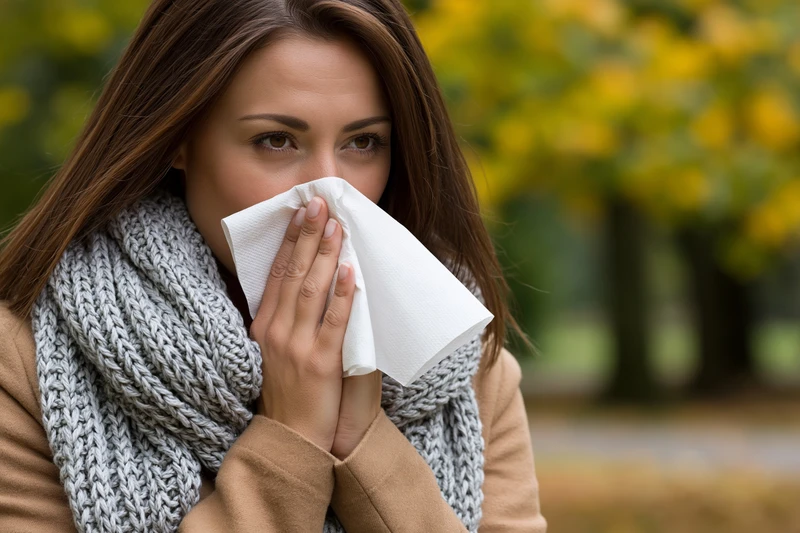
Every fall, just as it is in the springtime, many of us are susceptible to a bout of seasonal allergies at the time of year it starts cooling down and leaves start fluttering down from trees. The predominant trigger is pollen. Here, we take a brief look at the course and causes of fall seasonal allergies. Then, we discuss four of the best natural remedies for mitigating them.
A Few Facts on Fall Allergies
Seasonal allergies are extremely prevalent. Roughly 25% of Americans experience seasonal allergy symptoms at some point in the year. This phenomenon peaks in the late spring, but fall allergies are also prevalent. The predominant fall allergy triggers occur naturally; they are ragweed pollen and mold spores from decomposing leaves. Ragweed is especially disruptive. It is most common in the eastern and midwestern regions of the U.S. The release of this pollen tends to peak in late August and September, and can last as late as the first winter frost.
Symptoms of fall allergies include nasal congestion, runny nose and/or sneezing, watery and itchy eyes, and trouble sleeping. Fall allergies are notoriously irksome because they can last multiple weeks or months at a time. These symptoms result from an immune system response to the seasonal triggers listed above.
Treatments exist for fall allergies. Recommended home remedies include sinus rinsing using a neti pot, steam inhalation to thin mucus and soothe nasal passages, and staying hydrated. Separately, medications can be used. Over-the-counter meds are often recommended; antihistamines are the most common. Prescription treatments including antihistamine nasal sprays. Allergy shots could also be utilized. However, there are potential drawbacks to all of these. In some cases, they simply aren’t effective.
Natural Supplements for Fall Allergies
Particular herbal and nutritional supplements have properties which can help the body handle fall allergy reactions. Take a look at how the four products described below could help:
Quercetin is a natural, plant-derived flavonoid with antihistamine properties. Histamines are the molecules released by the immune system, which lead to allergy symptoms. This ability to stifle the immediate physiological cause of symptoms makes quercetin one of the most effective natural products for combatting seasonal allergies. Studies show that quercetin has other anti-allergy properties, too. It also has anti-inflammatory properties, which can reduce allergy symptoms. Consider making quercetin one of your first choices for naturally reducing fall allergies.
Vitamin C is the most-often recommended vitamin for fall seasonal allergies. Supplementing with vitamin C has many potential benefits; research shows that one such possible benefit is to reduce the major nasal symptoms associated with fall allergies, including sneezing and nasal congestion. Supplementing with vitamin C to reduce fall allergies would be especially effective if you are deficient or do not consume much of it through your diet alone.
Stinging nettle leaf in supplement form is a botanical supplement which actually contains quercetin, vitamin K, and other natural substances that have the capacity to mitigate fall allergies. Both the anti-inflammatory and antihistamine properties of stinging nettle leaf make it potentially effective for nasal congestion and sneezing. It is highly recommended to start taking stinging nettle leaf in the weeks leading up to allergy season, to ensure their preventative benefit. You must also be sure to purchase a stinging nettle supplement which contains the leaf of the plant, as opposed to the root, since the leaf contains the effective chemicals against fall allergies.
Zinc is the final natural remedy we will mention here. Zinc is a mineral which occurs naturally in many foods, and it has serious potential to help mitigate seasonal allergies. That’s why it’s available in supplement form. In addition to contributing to physical growth and development, zinc is known for its role in strengthening the immune system. The evidence for its effectiveness is strong. Research shows that people with zinc deficiency are up to 5x more likely to experience allergies. Zinc deficiency contributes to the growth of allergy-specific immune antibodies. Conversely, sufficient zinc intake could reduce the inflammation caused by allergies. Zinc lozenges are an ideal form of zinc for easing fall allergy symptoms.
Don’t let fall allergies get the best of you without fighting back with at least one of these natural remedies discussed above! We recommend that you talk to your healthcare provider before taking any of these for the first time.