
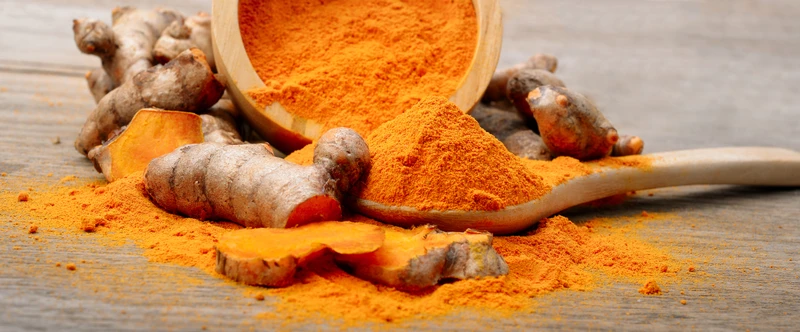
One of the most research-supported herbal supplements in the world of nutrition and health is turmeric. Turmeric provides a wide range of benefits, some of them more sought-after and proven than others. Here, we look at five of them, the likes of which emphasize the versatile uses of a turmeric supplement.
An Insider’s Peek at Turmeric
Turmeric is a spice that is distinctively yellow and derived from the unground stems of the Curcuma longa plant. It is part of the ginger family. Turmeric has a long history of use in natural traditional medicine, and is also well-established as an effective herbal remedy in modern herbal medicine.
The predominantly active ingredient in turmeric is curcumin. Research in recent years has shown that turmeric has anti-inflammatory, antidiabetic, antidiarrheal, antimicrobial, antiviral, and antioxidant properties. All these “anti’s” can translate to many specific benefits. To attain the benefits of turmeric, an oral supplement is the best option. That is because while store-bought turmeric spice might contain up to 9% curcumin, a supplement can contain up to 95% curcumin.
Reducing the painful symptoms of arthritis is the most researched and well-known benefit of turmeric. This will be furth discussed below. However, there are many other potential benefits of turmeric as well. For this reason, we want to highlight the range of turmeric’s uses.
Five Versatile Benefits of Turmeric
Reducing inflammation: This is a crucial and widely applicable benefit, because inflammation is a contributor to many different kinds of disease. Taking a turmeric supplement, or more specifically a curcumin supplement, can help reduce the inflammation and associated symptoms which occur in Crohn’s disease, autoimmune conditions, and other conditions.
Relieving arthritis symptoms is the most sought-after benefit of turmeric, and it is one which “begs” a concentrated curcumin supplement. Curcumin is highly effective, comparable in its effectiveness to certain mainline arthritis supplements. It blocks inflammatory cytokines and enzymes, which have been clearly identified by research. A review of 15 studies from 2021 showed that curcumin relieved the pain and stiffness of osteoarthritis as effectively as non-steroidal anti-inflammatories (NSAIDs) such as Ibuprofen.
Reduced risk of heart disease: Heart disease is a different class of disease than arthritis. Its ability to reduce inflammation, as well as oxidation, make turmeric helpful to heart health in at least these specific ways. Some research shows that patients who undergo heart bypass surgery who take 4 grams of curcumin daily (a hefty but safe amount) have a dramatically reduced risk of experiencing a heart attack during their recovery in the hospital. This is an enormous benefit. Turmeric’s reductive effect on inflammation also makes it a generally heart-healthy herbal product.
Depression: The versatility of turmeric is evinced by its potential ability to reduce symptoms of depression. Animal studies suggest that curcumin can positively affect the primary mood neurotransmitters dopamine and serotonin, benefit parts of the brain responsible for stress, and even protect cell mitochondria (which produce energy). This benefit could also be linked to turmeric’s anti-inflammatory properties, as depression has been linked to inflammation. Various reports say, though, that more research is needed on this potential benefit.
Strong memory: Also note that turmeric supplementation could even support your memory. Research from 2018 suggests that taking 90mg of curcumin twice daily can improve memory in adults who are not cognitively impaired. This is probably because of its anti-inflammatory and antioxidant properties.
The versatility of turmeric and curcumin in supplement form make them appealing on many health levels. Consider these benefits for reducing inflammation, supporting heart health, and supporting long-term mental health. Talk to your healthcare provider about your possible turmeric or curcumin usage, making certain that adding them to you daily regimen won’t interfere with any prescription medication you might be taking.