
The health needs of each person can vary widely, depending on their health circumstances and phase of life. Therefore, when considering nutritional and herbal products and their uses, it is necessary to find the product or products which work best for you. To introduce our shoppers to products they otherwise might not find, here is a continued look at an alphabetical amalgamation of selected supplements. Read further to see how these four ‘F’ supplements might be able to help you.
Fenugreek: The seeds of this uniquely-named herb have been harvested and utilized in eastern medicine for a long time. Fenugreek now is recognized for its specific benefits to adult men and women in specific areas of their health. In recent years, research on the consumption of fenugreek has linked it to two distinct benefits. First, it has potential to support nursing mothers by bolstering healthy lactation. Conversely, in men, fenugreek has been credibly linked to benefits associated with increased testosterone production, including heightened libido, and even decreased body fat when paired with physical activity. Recommended dosages to see these benefits of fenugreek is usually around one gram or more. Furthermore, fenugreek has potential to support essential heart-health factors including healthy cholesterol and blood sugar levels.
Feverfew is another plant with a unique name, and which is fitting for its medicinal purposes. Feverfew is a flowering plant native to the Balkan nations and part of western Asia. Natural compounds in feverfew have anti-inflammatory, antibacterial, and antioxidant properties. The main active substance in feverfew is called parthenolide. Feverfew can be compared to aspirin, as it could help relieve a fever and symptoms associated with fever such as headache, nausea, and vomiting. As for headaches, research suggests that feverfew could also bring relief to those who experience migraine as well as tension headaches. Animal studies suggest that feverfew could also help reduce symptoms of depression and anxiety.
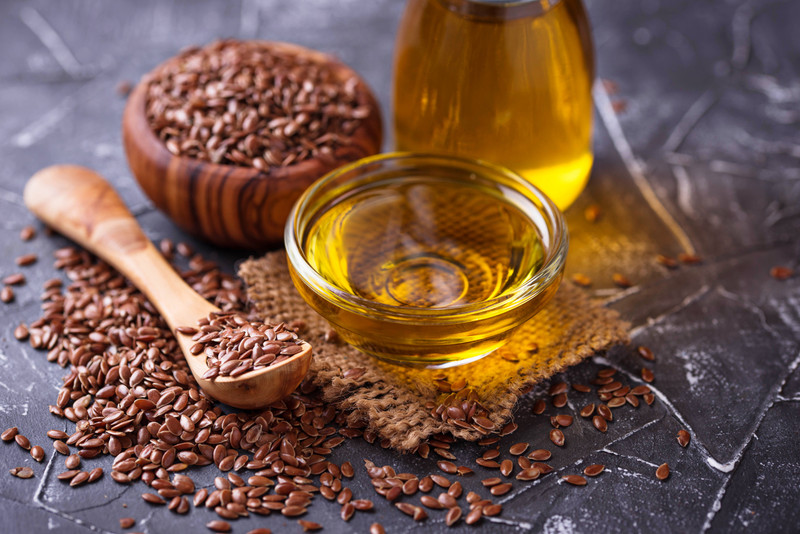
Flaxseed oil is beneficial because of its high omega-3 fatty acid content, and other properties as well. The omega-3 (and omega-6) fatty acids in flaxseed oil help reduce inflammation, and benefit the heart and cardiovascular system by reducing high blood pressure. Research suggests it could also support the elasticity of arteries, which can be affected by both high blood pressure and aging. The combined effects of flaxseed oil on inflammation and cardiovascular wellness make flaxseed oil a great potential choice for long-term heart health.
Folic acid is a form of vitamin B9 available in supplement form. A good reason someone would benefit from supplementation with folic acid is to make up for a deficiency in this vitamin. Adults who could most benefit from taking folic acid are those with higher-than-normal blood levels of homocysteine, which is linked to heart attack and stroke. Separately, women who are pregnant are likely to benefit, as well as their babies, because sufficient folic acid helps to prevent neural tube defects.
If you find any of the nutritional, remedying, or health-ensuring roles of these four supplements to be what you may need, then talk to your healthcare provider about them. It is always recommended that you do so. Each of these can contribute to a healthy, well-rounded nutritional pattern.