
What valuable, healthful supplements might you have overlooked on those occasions you take some time to research some supplements to find new products that might be useful for you and your health? Here, we finish our year-plus ‘Alphabet Soup’ series, A through Z, by highlighting two worthwhile supplements provided by Wonder Labs which you might not know of and which fall among the last four letters of the alphabet. We’re talking about wheatgrass and zinc.
Concluding our ‘Alphabet’ Series with Wheat Grass and Zinc
Wheatgrass is a natural “superfood” which is harvested and made available in the form of an oral tablet. The “superfood” label refers to this supplement’s vast array of potential health benefits. Harvested from sprouts of the Triticum aestivum plant, wheatgrass contains a high amount of chlorophyll. Chlorophyll is the pigment that gives plants their green color; its chemical structure is similar to that of hemoglobin, the protein which carries oxygen in the blood. Wheatgrass also contains various vitamins, minerals, flavonoids, and other beneficial substances from nature. This combination of healthful substances make wheatgrass nutritionally beneficial. What specific benefits can it provide? Research shows that wheatgrass can help with digestion. The amino acids in wheatgrass can support the digestive process, and the antioxidant and anti-inflammatory properties it contains could help with various specific digestive issues, including symptoms related to colitis. Other research shows that wheatgrass might also support the immune system, reduce unhealthy cholesterol and triglyceride levels in the blood, and contribute to daily energy levels. Its anti-inflammatory properties could also help relieve symptoms of arthritis. Consider a wheatgrass supplement for its many applicable benefits to sound digestion, healthy metrics for long-term cardiovascular health, reducing inflammation, and supporting energy.
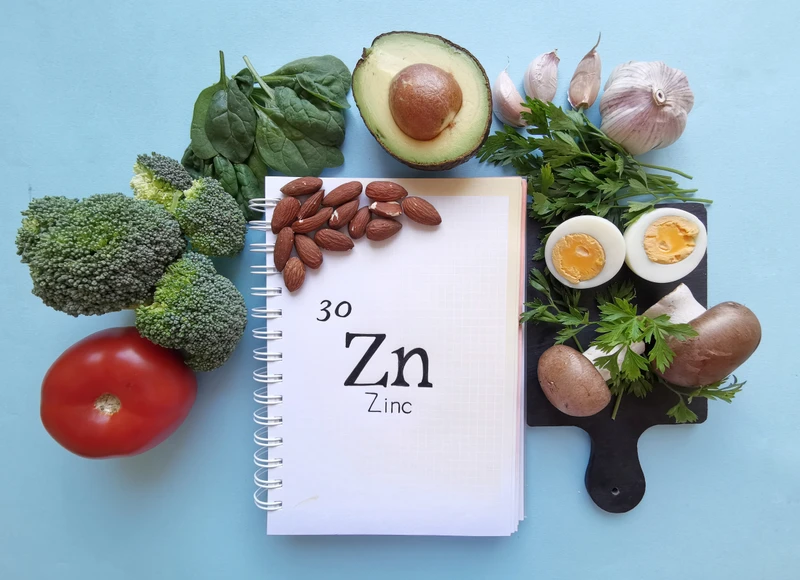
Zinc is classified an essential mineral for the human body. Zinc is essential because it contributes to many aspects of metabolism at the cellular level, including hundreds of different enzymatic interactions. Zinc also contributes to DNA synthesis, wound healing, cell signaling and division, and other useful functions. A zinc supplement is particularly helpful for those who have, or may be at risk of, a zinc deficiency. About 17% of the world’s population is at risk of inadequate zinc intake. Zinc deficiency can delay growth and cause other symptoms in children, and cause cognitive issues in adults.
Populations at increased risk of zinc deficiency would be those with gastrointestinal issues, those on a vegetarian or vegan diet, women who are pregnant or lactating, and those with alcoholism. Zinc supplementation could make a significant health difference in these individuals, especially if they are deficient in this crucial mineral. Research shows that zinc supplementation could also support the immune system’s ability to defend against various infections such as the common cold and pneumonia in children. Increasing zinc intake via supplementation could also prevent damage due to macular degeneration, thereby slowing the progression of this disease in adults. A zinc supplement in capsule or lozenge form is the most accessible way to take zinc; it is often in the form of zinc gluconate or zinc picolinate. Consider zinc for its immune-supporting benefits, and its crucial nature to your bodily health.
Wheat grass is an all-around valuable natural superfood available in supplement form, and zinc is an essential mineral that some people could especially benefit from taking. Consider how these two could help you, or someone close to you. Talk to your healthcare provider before taking a new supplement. With this, we conclude our ‘Alphabet Soup’ series! We hope that you have learned some valuable information which can help you with your next nutritional supplement choice! We will likely return to this type of alphabetized series sometime in 2027, and if we do we will start at the beginning.