
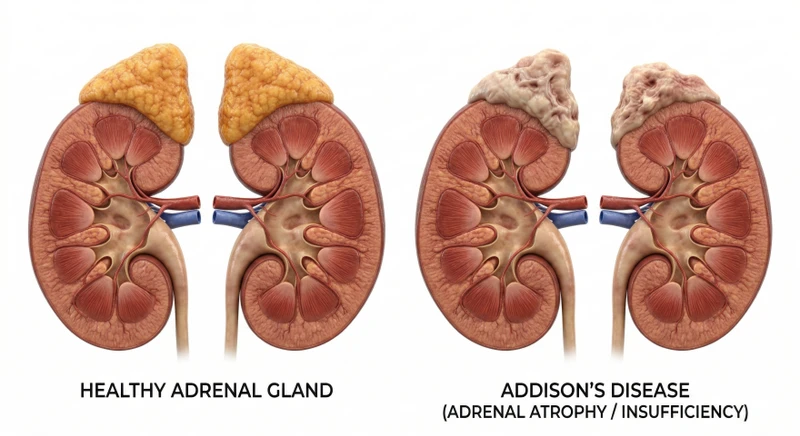
In Part 3 of our ongoing series “Autoimmune Diseases and Supplemental Solutions,” we take a look at Addison’s Disease. In so doing, we discuss natural remedies which can improve the health and well-being of someone who must manage their health in the context of this condition.
What Is Addison’s Disease?
Addison’s disease, also called primary adrenal insufficiency, is a unique disease related to the inability to produce sufficient hormones. Even if you’ve never heard of Addison’s disease, it is worth knowing about because symptoms often do not set in until after damage has been done. This condition most often manifests as an autoimmune response.
The foremost affected hormone is cortisol; aldosterone is also affected at times. Cortisol is responsible primarily for the body’s response to stress, as well as regulating blood pressure and blood sugar levels. This is a crucial hormonal function. Aldosterone is a hormone which regulates blood levels of sodium and potassium, and it plays a role in urination.
Addison’s disease usually doesn’t present symptoms until after the adrenal cortex has experienced significant damage. This can take months or years. If a routine blood test shows low levels of sodium and potassium, this is grounds to then arrange for a test for Addison’s disease. Upon setting in, the symptoms resulting from Addison’s disease include fatigue, patches of darkness on the skin, unexplained weight loss, nausea & vomiting, diarrhea, muscle pain, and more.
Treatment using medication is necessary for Addison’s disease, primarily for the purpose of supplementing cortisol and aldosterone. The drugs hydrocortisone and fludrocortisone are utilized for this purpose. This condition is serious, and these medications will probably be necessary for someone with Addison’s disease all of their life. Among the nutritional priorities necessary to manage Addison’s is the need for regular sodium intake.
3 Supplements for Managing Addison’s Disease
DHEA is a hormone manufactured in the adrenal glands, and it is a precursor to testosterone and other hormones. Those with Addison’s disease are often low in DHEA. Research on regular supplementation with DHEA in Addison’s patients for 12 months showed improvements in bone mineral density in the femoral neck, better waking energy, increased self-esteem, and a boost in lean body mass. DHEA can be monitored in the blood. Regular supplementation with DHEA could be particularly helpful for those already with Addison’s disease.
Vitamin D supplementation is recommended for those with Addison’s disease because they might be low in this crucial vitamin. This vitamin is commonly depleted due to other adrenal disorders as well. Patients taking corticosteroids for Addison’s disease may have depleted vitamin D as a side effect. For these reasons, supplementing with vitamin D could be extremely merited for those with Addison’s disease. It’s at least worth a discussion with your personal physician.
Vitamin C is another instrumental and recommended vitamin because it has a strong influence on cortisol production and adrenal health in general. Studies show that supplementing with vitamin C can help someone to better handle stress, which is an important priority for those with adrenal disorders affecting cortisol production. Vitamins C and D are a great vitamin combo for supplementation in those with Addison’s disease.
If you know someone with Addison’s disease, be sure to tell them about what is discussed here. All three of the supplements here could prove useful to them. Keep in mind, we always recommended talking to your healthcare provider before taking any supplement for the first time.