
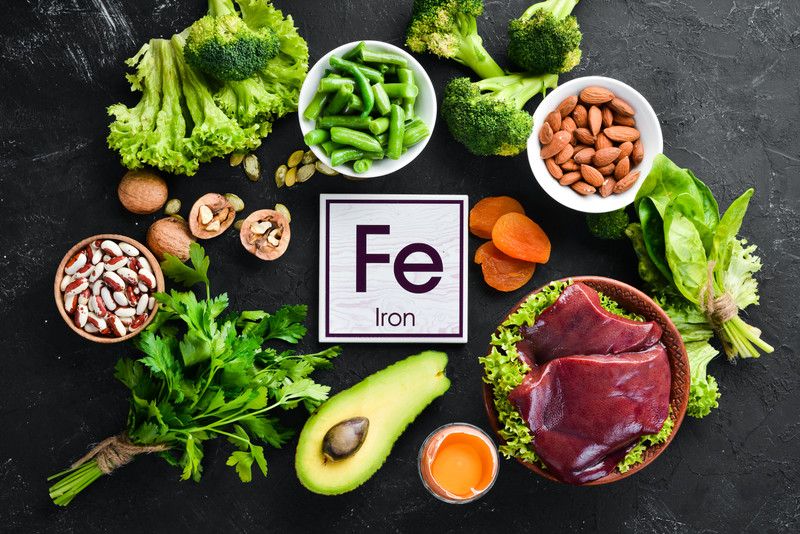
Iron is a mineral which most health-conscious people know that they need. But, what does it do for you, exactly? In this fifth installment of our series Extolling Essential Trace Minerals, we look at why iron is physiologically important, and summarize the attributable benefits you could get from taking a supplement with iron in it.
Iron: An Essential Trace Mineral
Iron is one of eight essential trace minerals which the human body needs to consume, because it plays roles vital to sustaining good health. Iron is a trace mineral, so the body only needs a very small amount of it. The recommended daily intake (RDI) of iron for adults age 19-50 is 8mg, and 18mg for women.
One of the most vital roles of iron is its necessary contribution to the formation of hemoglobin, which is responsible for transporting oxygen throughout your body’s bloodstream. This role makes it necessary for muscle metabolism and the health of connective tissues. Iron is also necessary for physiological development, growth, cellular functioning, and hormone production. Its role in growth and development make it very important for young people between ages 14-18.
When iron deficiency occurs, it can lead to anemia, which causes fatigue. Iron anemia comprises more than half of global cases of anemia, which affects approximately 1.6 billion people. Iron deficiency is fairly common in the U.S. Most vulnerable populations include young children, women of reproductive age, and pregnant women.
When Is It Beneficial to Supplement with Iron?
In some health circumstances, it is necessary and beneficial to increase your intake of iron. Iron in an amount approximating the adult RDI can be found in multiple types of multivitamin supplements on this website. Here are some health circumstances/needs which could be helped by way of supplementing with iron:
Iron anemia: If someone is experiencing anemia as a result of iron deficiency, then supplementing with up to 100-200mg of iron could play a very important role in remedying this. Taking a lower dose closer to the RDI, or alternating iron supplementation daily, can enhance the tolerability and absorption of iron. Iron is better absorbed when taken alongside vitamin C, which is contained in a multivitamin alongside iron.
Pregnancy is a phase of life where women will best benefit from supplementary intake of iron. This is why iron is included as a crucial mineral in many prenatal multivitamins. The RDI of iron is increased from 18mg to 27mg in pregnant women. Pregnant women deficient in iron are more likely to experience premature birth or low birth weight of their baby. Supplementing with iron while you are pregnant can be extremely beneficial and should be done under your healthcare provider’s supervision.
Vegetarians can especially benefit from supplementing with iron because iron is most common, by far, in meats and fish. Iron deficiency is inherently more likely if you don’t eat much or any of it. If you are a vegetarian, rounding out your nutrient intake with a multivitamin containing iron could be very beneficial and could remedy an iron deficiency where one exists.
Iron is a crucial trace mineral that is necessary for oxygen distribution in the body, cellular health, and growth and development. It is not to be neglected, for the reasons discussed above. A multivitamin containing iron could be especially beneficial if you are iron-deficient, anemic, pregnant, or maintaining a vegetarian diet. If you are using any supplement suggested by this blog, consider discussing your use of it with your personal physician or other licensed healthcare provider.