
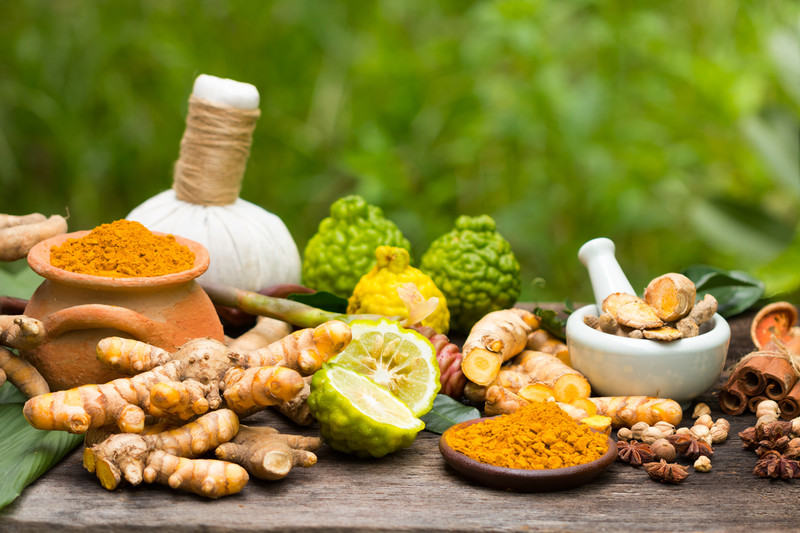
If you value natural health solutions, then a surface-level understanding of Ayurveda should benefit you. The knowledge contained in Ayurvedic medicine is as relevant today as it was centuries ago. Here is a brief look at Ayurveda, and four of the best available herbal supplements whose heritage is traced back to ancient Ayurvedic medicine.
A Look at Ayurveda
The Indian practice of Ayurveda, which is Sanskrit for “the science of life,” is a multifaceted practice centered around bodily healing and well-being. Ayurveda emphasizes life balance, healthy thinking, lifestyle, diet, and the use of herbs. It is the use of herbs that is relevant, and very much so, to the strategic utilization of herbal dietary supplements for human health.
The practice of Ayurveda is special and unique because, while Western medicine focuses on disease and symptomology, Ayurveda takes a step back to focus on the quality of a person’s energy and stress, before placing the emphasis directly on the disease itself. That is why Ayurveda includes other elements besides natural medicine alone. The consideration of all kinds of stressors plays a part in Ayurvedic treatment; this includes emotions, diet, seasonal weather patterns, interpersonal relationships, and trauma.
In Western medicine, health practitioners with a holistic approach might incorporate Ayurvedic knowledge and treatments into their approach to treating patients. This eclectic approach, done correctly, can be more effective than just using a strictly Western or strictly Ayurvedic approach for helping and healing many sick people.
Within Ayurveda, herbs are a tool to further bodily health. They are utilized for, among other things, rejuvenation and the prevention of disease. The sought-after benefits of herbs used in Ayurveda can also apply to immune strength, smooth digestion, mental peace, the elimination of toxins, and more.
Four Excellent Ayurvedic Herbs
Just as in the context of any holistic health program, the herbs common to Ayurveda are most useful when used in the context of a nutritious diet. See these four Ayurvedic herbal remedies, with an ancient heritage in Ayurveda, and made conveniently available now in supplement form:
Ashwagandha, scientifically known as Withania somnifera, is one of the most used and touted herbs in Ayurveda. Ashwagandha is an adaptogen, meaning that it supports bodily energy and positive feeling, while also mitigating stress and its effects on the body. Its ability to support energy while reducing stress makes ashwagandha a very desirable supplement, as it can help mitigate fatigue and anxiety. Ashwagandha is often included in a complex supplement alongside other akin herbs, such as boswellia, as well as crucial vitamins.
Boswellia, also called Indian frankincense, is an herbal supplement made from the extract of the Boswellia serrata tree. It is known for its woody aroma, but this is less pronounced in the form of a concentrated oral supplement. Boswellia is most known for its ability to reduce inflammation; it does this by preventing the bodily release of inflammatory byproducts called leukotrienes. Studies show that taking boswellia correlates with a reduction of pain and symptoms associated with both osteoarthritis and rheumatoid arthritis. Boswellia could also improve digestion in some digestive disorders.
Turmeric is a highly acclaimed herbal supplement. The active ingredient in turmeric is curcumin, and it possesses powerful antioxidant and anti-inflammatory properties. In fact, turmeric can combat inflammation so well that it is comparably effective as some standard Western anti-inflammatory medications, and without the unwanted side effects. Turmeric has many potential health benefits. It can improve blood flow, making it valuable for preventing heart disease. Studies show turmeric could also reduce symptoms of both anxiety and depression. Furthermore, turmeric possesses properties which could mitigate the risk of Alzheimer’s disease and dementia. For all its benefits, turmeric is a first-line Ayurvedic herbal supplement.
Licorice root comes from the Glycyrrhiza glabra plant and is another commonly recommended Ayurvedic herb. Taken orally, licorice root is most known for its ability to ease a sore throat and promote oral health. In fact, studies suggest that licorice root could help prevent cavities. It could also help manage heartburn, bloating, and nausea. Lastly, lab studies show that it also has anti-inflammatory and antimicrobial properties.
Ayurvedic medicine is old and well-validated by modern study. Consider how these four Ayurvedic herbs described above in supplement form could benefit you, and talk to your healthcare provider about them.