
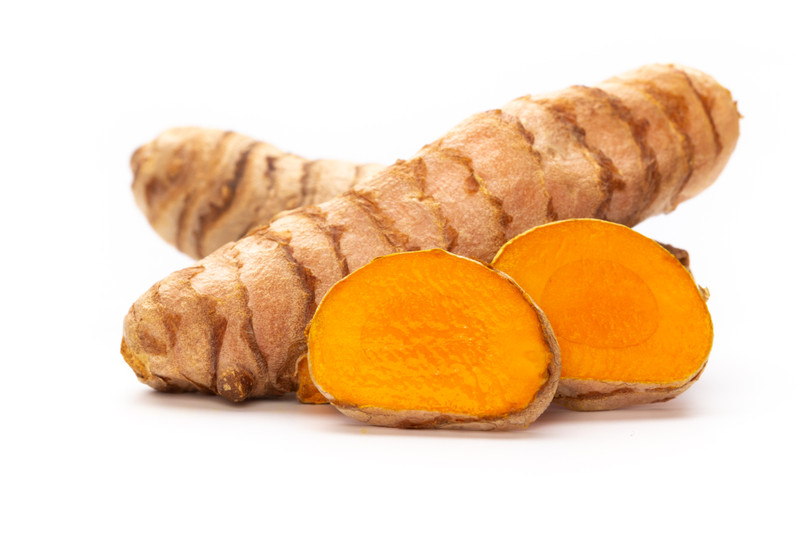
One of the most therapeutic herbal remedies available is turmeric. Its healthy properties make it widely beneficial. Here is a look at the background of turmeric, and four health troubles, or issues, which could be meaningfully helped by way of strategic turmeric supplementation.
Turmeric and Human Health
Turmeric, scientifically deemed Curcuma longa, is a plant which is biologically related to the ginger plant. It is visibly recognizable by its distinctive yellow hue. The most-desirable part of the turmeric plant is its rhizome, which is harvested for culinary and health purposes.
This spice has played a large historical role in trade and natural medicine. Turmeric has been traditionally used and highly valued in Indian, Chinese, and Islamic medicinal traditions. Along the way it has been utilized for a wide range of bodily symptoms and health conditions. These include indigestion, arthritis, skin issues, and more.
The distinctive color of turmeric is due to curcumin, its natural component. Curcumin is also the active ingredient in turmeric, responsible for the majority of turmeric’s known health benefits. Modern research and colloquial testimony lend credence to turmeric’s medicinal properties, which could apply to a variety of conditions. The most impactful physiological mechanisms of curcumin are its anti-inflammatory and antioxidant properties.
Turmeric Might Help Treat These 4 Health Troubles
The beneficial properties of turmeric are significant. Here is a look at four relatively common and manageable health conditions or symptoms which could possibly be helped by the strategic use of a turmeric supplement. Note, though, that turmeric should not be considered a substitute for medical treatment where it is necessary.
Osteoarthritis is a leading form of arthritis worldwide, affecting more than 250 million people. Multiple studies have shown that curcumin also has anti-arthritic properties which could reduce symptoms of OA. Specific benefits include reduced stiffness, lessened pain, and reductions in the Western Ontario and McMaster Universities Osteoarthritis Index of arthritis symptoms. The scientifically-based and commonly-touted benefits of turmeric/curcumin for OA symptoms make it an essential option for people with this form of arthritis.
Blood sugar: Research on the relationship between blood sugar and turmeric show that it has beneficial effects in this area. It’s been found that regular curcumin supplementation reduces both measurable fasting blood-glucose levels, as well as measurable HbA1C (long-term average blood sugar) levels.
Inflammatory bowel issues could be helped by the intake of turmeric. Its ability to alleviate inflammation makes turmeric helpful for mitigating complications of inflammatory bowel disease as well as colitis. Because of this, turmeric should be considered for its potential benefits to gut and digestive health.
Depression: Research suggests that turmeric has effects on the brain which can contribute to improved mood, and it has the potential to alleviate depression. One is its mitigating effect on inflammation. Turmeric can also boost the deployment of dopamine and serotonin, two crucial neurotransmitters which govern mood. These combined effects make turmeric a worthwhile option as a natural antidepressant.
Turmeric is a longstanding and highly valuable herbal medicine, and research supports its usage for relieving osteoarthritis, managing blood sugar, improving mood, and more. If any of these benefits could apply to you, talk to your healthcare provider about taking turmeric. It’s always recommended you do so before taking any supplement; for starters, to make sure there is nothing about your physiological makeup or medications you might be taking that would make turmeric unsuitable for you.