
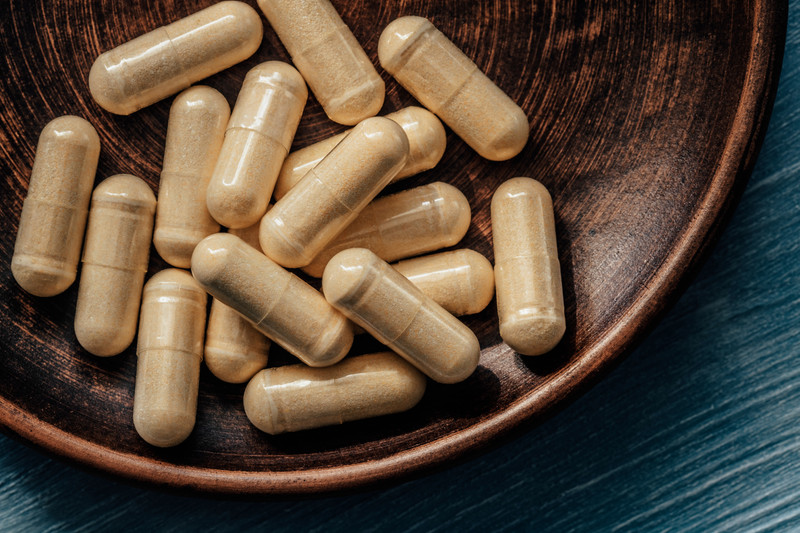
If you are looking for a gluten-free supplement well-suited for promoting cardiovascular health, acting as a detoxifier, and able to fill other health-inducing roles, and are willing to search off the beaten path for an alternative natural remedy that gets high marks, then your quest might be over. That brings us to pantethine, which is our latest entry into this relatively new series of supplement blogs focused on gluten-free products.
Pantethine, a derivative of vitamin B (pantothenic acid),/ is converted into Co-enzyme A once inside your body. Once there it serves as an essential compound keyed into the metabolism of protein, fat, and carbohydrates. And that’s just for starters. It also contributes to the regulation of auto-immune disorders as well as addressing adrenal fatigue. In that latter role, it operates by inducing the adrenal glands to produce additional cortisone, an anti-stress hormone that works to diminish the body’s inflammatory response.
What Else Can We Tell You About Co-enzyme A?
Co-enzyme A has a fascinating story all its own, beginning with the fact that it has been identified as one of the most biologically involved metabolic enzymes in our bodies. One of the properties that makes Co-enzyme A indispensable to your good health is that it helps execute the process of degrading fatty acid lurking in and potentially “gunking” up your body. This enzyme’s degradation of fatty acid contributes significantly to the proper regulation of cholesterol levels, which your heart certainly appreciates. Taking it a bit further, pantethine actually lowers both LDL (bad) cholesterol and total cholesterol while also taking a bite out of potentially harmful triglycerides levels.
Study Shows Pantethine’s Value in Cardiovascular Health
It is common scientific knowledge that elevated LDL cholesterol levels can be a major risk factor for coronary heart disease. Several years ago, a randomized, triple-blinded, placebo-controlled study was conducted to investigate pantethine’s effectiveness in reducing the risk of cardiovascular disease in patients eligible for statin therapy. More than 30 study subjects were randomized to pantethine for a daily dose administered over 16 weeks (600 mg/day the first 8 weeks, 900 mg/day the next 8). Those study participants who received the pantethine showed a significant decrease in LDL at 8 and 16 weeks, and a similarly substantial reduction in total cholesterol, compared to those who were given a placebo the entire time.
6 of Pantethine’s Best Potential Health Benefits
Some of these health benefits described below overlap portions of the content discussed above, as well as overlap one another to some extent; some are new to the discussion. All paint pantethine as a natural remedy of varied health benefits and great interest for anyone exploring a new means to deal with age-old health issues:
Provides balance to NEM (NeuroEndoMetabolic) Stress Response. This response involves six systems in the body that can be affected by stressful stimuli, throwing the body’s levels of hormones, nutrients and neurotransmitters out of whack. Pantethine can alleviate that imbalance, supporting overall good health.
Counteracts Candida (yeast) infections. An overgrowth of Candida in the gut can generate dozens of substances damaging to the body, to include acetaldehyde, the same toxin responsible for a hangover after heavy drinking. Pantethine can relieve the symptoms of such poisoning by flushing the acetaldehyde out of the body.
Enhances the heart muscle’s metabolic rate. Pantethine has shown an ability to regulate the heart muscle’s metabolic rate while also stimulating production of omega-3’s that can act as anti-inflammatories and diminish clot-producing fats in cell membranes.
Treats gastrointestinal issues. Pantethine can help alleviate colitis and Crohn’s disease in addition to promoting the growth of “good” bacteria in the intestines.
Supports production of cortisone. That’s a welcome health benefit because cortisone is a robust hormone that moderates unwanted inflammation.
Alleviates symptoms of stress. A deficiency of pantethine has been associated with significant reductions in energy and some loss of proper nervous system functionality.
Pantethine and its properties do a bang-up job in promoting good health in numerous areas of your body, most notably your cardiovascular system, immune system, gastrointestinal tract, and adrenal function. Consider adding it to your medicine cabinet, but be sure to discuss its use beforehand with your personal physician to make sure it fits your current health profile.