
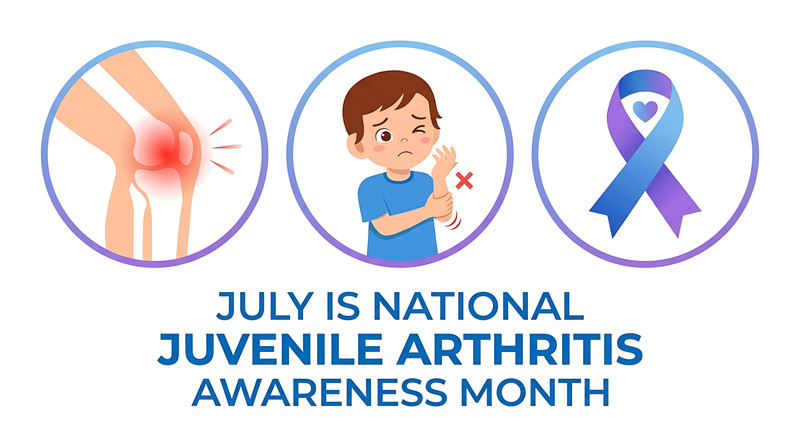
One particular ailment that affects what is a surprisingly sizable segment of children in America is arthritis. Arthritis isn’t just for adults as some might assume. July is recognized as Juvenile Arthritis Awareness Month. Following is a look at some key facts about juvenile arthritis, followed by summaries of four safe, potentially beneficial supplements for minors who experience arthritis.
A Look at Juvenile Arthritis
The Arthritis Foundation established a campaign to raise awareness of juvenile arthritis by designating July as Juvenile Arthritis Awareness Month. The campaign for awareness is merited, because around 300,000 children in the U.S. experience juvenile arthritis (JA).
Most cases of juvenile arthritis are idiopathic, meaning that the cause is unknown. Generally speaking, JA is likely caused by a variety of genetic factors and individual immune system factors. It can also be triggered by an infection. There are a few forms of JA. Oligoarticular JA affects only a few joints, while polyarticular JA affects multiple joints.
Like some of the most common forms of arthritis in adults, JA affects the joints and is often accompanied by other symptoms. These can include stiffness, joint swelling, muscle weakness, growth discrepancies, and fever and rash in some cases.
There is no true cure for JA, but it is treatable. Treatment goals are to relieve pain & swelling, improve joint mobility and strength, prevent joint damage as well as growth delays, and support a child’s holistic development. Medication and therapies are often utilized. An agenda of self-care is also necessary, including maintaining a healthy diet.
Supplements for Managing Juvenile Arthritis
Just like in adult experiences of arthritis, arthritis can be managed and treated from multiple angles, including strategic dietary supplementation. Each of these four products described below has potential to help children with JA, when taken in tandem with a healthy, consistent diet.
Curcumin has a great reputation and is highly accredited in scientific research for its ability to combat inflammation, which is a common and predominant factor in arthritis. Curcumin is the active ingredient in the herb turmeric. A concentrated curcumin oral supplement is the best way to consume high amounts of this powerful natural ingredient. Research shows that taking curcumin reduces inflammatory cytokines and enzymes, making it a great choice for those with arthritis. While most research on curcumin and arthritis has been conducted among adults, it is safe and reasonable to take curcumin to see these benefits come to fruition in children.
Vitamin D is recommended on a basic level for multiple forms of arthritis. That’s because having a low level of vitamin D is associated with the development and/or exacerbated symptoms of multiple forms of arthritis.
Research on the relationship of vitamin D supplementation and JA is increasing, and one reason for that is because vitamin D deficiency is prevalent among children with JA. While more research is needed, there is good reason to believe a vitamin D supplement can be of help.
Fish oil containing omega-3 fatty acids is another acclaimed supplement for managing arthritis symptoms, which could benefit children with RA. There is some evidence that it could relieve joint pain and improve function in children, and more research on the subject is merited.
Calcium is a crucial mineral for strong bones. For this reason, children with arthritis need to make sure they get enough of it. Children taking certain arthritis medications might especially need to consume calcium, because some meds can interfere with calcium absorption. A calcium supplement could be helpful for these children, and should be taken after consulting your child’s medical care provider.
If your child has juvenile arthritis, you probably want to explore every avenue that you can to make their life easier and less painful. Talk to their healthcare provider about the utilization of these supplements before trying them.