
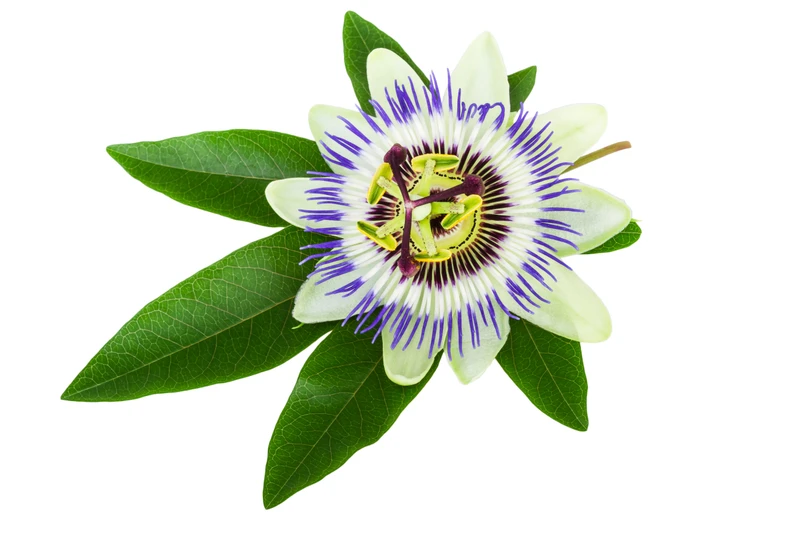
“Gluten-free” is a familiar buzz phrase among consumers apt to vet the food they buy and consume, especially when exploring the aisles of a grocery store and studying the ingredients on food labels. In a world more health-conscious than ever, many people are turning their backs to on a potential food choice when they discover that gluten – either on a label or when browsing health-related articles -- is among that food’s ingredients.
The same concern extends to natural remedies such as supplements and herbs.
Such an aversion is not based on an unfounded fear of gluten. It’s related to an actual health condition that pinpoints gluten as a substance to be avoided. Gluten is a binding agent that helps give food its shape – think loaves of bread – and that can be a serious problem for people with celiac disease, an autoimmune disorder that can trigger an immune response that can harm the small intestine’s lining, eventually interfering with the body’s absorption of food nutrients that have been consumed. Such conditions are known as gluten sensitivity (e.g. abdominal pain, bloating), gluten ataxia (nerve tissue problems), and wheat allergy (difficulty breathing, etc.).
What Is Passion Flower and What Makes It Work?
While its name might suggest this is an herb that acts as an aphrodisiac to stimulate sexual desire in adults, passion flower is actually more likely to calm your nerves, maybe even help put you to sleep. Passion flower is sourced from a flowering vine known as Passiflora incarnata. Its chemicals are able to bind to what are known as gamma-aminobutyric acid (GABA) receptors, equipping passion flower (aka apricot vine, maypop, corona de cristo, Fleischfarbige, etc.) with the ability to lessen anxiety and boost drowsiness.
Among the bioactive compounds found in passion flower are flavonoids, such as apigenin. These are believed to fill a role in providing medicinal-like benefits that can act like sedatives that induce anxiety-relieving, analgesic, and antispasmodic effects. In so many words, properly-regulated consumption of passion flower can induce a calming, soothing effect on a person’s nerves, alleviating anxiety.
Multiple studies or trials have revealed passion flower’s ability and capacity to address health issues such as those mentioned above, even when treating pain, in a manner that rivals the effectiveness of prescription medications. One double-blind trial involving 36 test subjects diagnosed with generalized anxiety order tested passion flower against the prescription anti-anxiety drug oxazepam. The prescription medication acted quicker in reducing anxiety in patients, although by the end of the trial passion flower had “caught up” with oxazepam in administering similar benefits.
Studies smaller in scale have shown similar results when passion flower was stacked up against prescription medications before surgery and dental procedures. In one of those studies, a 500mg passion flower capsule administered an hour before dental surgery lowered anxiety levels as effectually as the widely-used sedative midazolam. Also, the passion flower subjects were less likely to experience unwanted post-procedure drowsiness, and they reported no memory loss while 20 percent of the sedative-administered test subjects couldn’t remember any of the procedure.
Other Possible Health Benefits from Passion Flower
Support cognitive health. One animal study found that a passion flower extract enhanced the process of neurogenesis, in which new neurons are formed in the brain, hinting that passion flower is a potential treatment for improving memory and warding off Alzheimer’s disease.
Treat ADHD symptoms in children. A clinical trial testing children with attention deficit/hyperactivity disorder put passion flower on a level with methylphenidate (the active ingredient in Ritalin) in terms of efficacy in demonstrating improvement in the children.
Alleviate PMS symptoms. Menopausal women who took part in a comparative study were measured for 11 typical PMS symptoms (hot flashes, joint pain, sleep disruption, etc.) before and after passion flower treatment. All of the PMS effects were reduced significantly, although several of the symptoms took longer to improve.
Passion flower isn’t just a versatile natural remedy, especially suitable and safe for treating anxiety and sleep-related problems. Plus, it is gluten-free! Exercise caution with this potent herb, especially in terms of assessing how it measures up against prescription medication in terms of efficacy. Be advised to discuss its possible use with your personal physician or other appropriate licensed healthcare professional before trying it out for yourself.