
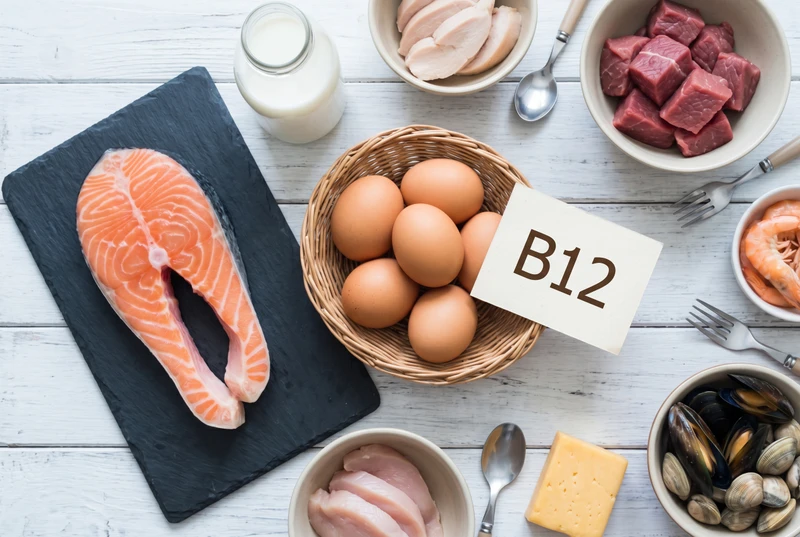
Gluten is a natural ingredient which can be disruptive to the digestive system, especially for any person with a gluten-intolerance or celiac disease. For those with gluten sensitivities, nutrition is an aspect of health which requires extra attention and care. Here, we continue our series on Gluten-Free Natural Remedies with Part 8: Vitamin B12.
B12 in the Human Body
Various types of gluten disorders exist. These include gluten sensitivity, celiac disease, and wheat allergy. If you have one of these conditions, we want to help you avoid not just that one condition but potentially all of them. With all of the nutritional considerations involved in any of these conditions, vitamin B12 intake is still important.
Vitamin B12 is an essential vitamin which you must consume, because your body cannot produce it on its own. It is naturally present in some foods, added to others, and also available most simply and directly in the form of an oral supplement.
Vitamin B12 is a necessary contributor to multiple bodily processes. First, it is necessary for the development, myelination, and function of the central nervous system. It is also necessary for red blood cell formation, and DNA synthesis, which are essential bodily processes for life. But the roles of essential B12 don’t stop there. B12 is a contributor to major enzymatic reactions.
If you take a B12 supplement, it is important to do so in the context of a healthy diet. It’s also important to take it with food, because the process involved in the B12 release and absorption starts with its contact with saliva in the mouth.
Top Benefits of B12
Numerous gluten-free vitamin B12 products are available on this website. These include B-12 Timed Release, and TrinFac, a complex supplement combined with Intrinsic Factor & folate. Here are some of the best benefits of taking a gluten-free B12 supplement.
Balanced nutrition for certain populations can be accomplished by taking a vitamin B12 supplement. One particular demographic is, in fact, those with celiac disease. Those who maintain a vegan or vegetarian diet can also benefit from a B12 supplement. Lastly, elderly individuals can also benefit from supplementing with vitamin B12.
Athletes with a B12 deficiency would benefit from taking a B12 supplement, as doing so is likely to improve their energy levels.
Depression symptoms might be mitigated by taking a vitamin B12 supplement. That is because B12 plays a role in the production of serotonin, a mood-influencing hormone. Research supports this relationship, as low levels of vitamin B12 have been associated with depression. Research also shows that those with major depression could see symptom improvements by taking a vitamin B12 supplement in tandem with prescribed medication, although that should first involve a discuss with your primary healthcare provider.
Reducing macular degeneration: Research suggests that taking vitamin B12, along with other B vitamins, could reduce macular degeneration in the eyes. That is because B12 helps to lower levels of homocysteine in the blood, which causes this condition.
Brain health: Reduced levels of B12 during aging is linked to cognitive decline. That is because B12 is an important nutrient for neurons in the brain. Studies suggest that older adults in earlier stages of cognitive decline could see this decline slowed by regularly taking a B12 supplement.
Vitamin B12 is a crucial, essential vitamin. It is especially necessary for those with celiac disease, and other populations, to make sure they get enough of it. Consider these benefits of a gluten-free vitamin B12 supplement. Talk to your healthcare provider before taking a B12 supplement. Because many forms of B12 supplements are manufactured with one or more other “supporting” ingredients, always be sure to ask the seller to confirm whether or not a particular product that includes B-12is gluten-free.