
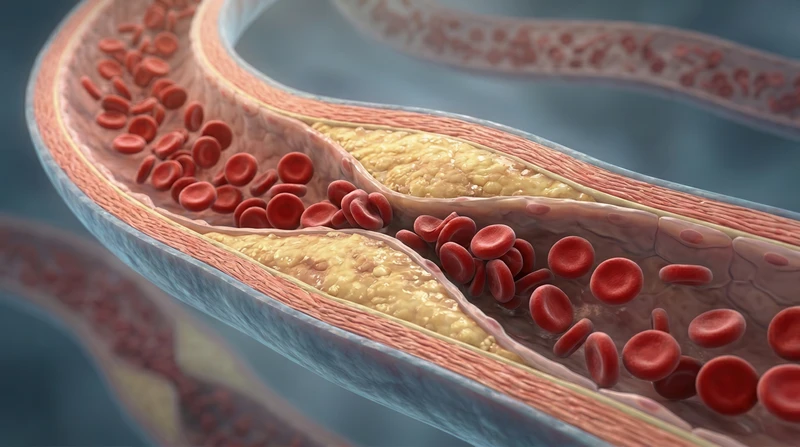
It is commonly understood that excessive levels of cholesterol in your body, especially “bad” cholesterol (LDL), can be detrimental to human health. So what better time is there than September, which, among other health-related topics getting special attention this month, is known as National Cholesterol Awareness Month?
Below we will explain below what cholesterol is and why its level in our bodies is a crucial marker for diagnosing our general health. Then we will suggest and discuss four supplements we believe are particularly suitable for helping to properly manage cholesterol levels.
Cholesterol and Human Health
Cholesterol is a waxy, fat-like substance found in the body’s cells. Probably the most important point to understand about cholesterol is that it is necessary and helpful for human health, as long as its two constituent types of cholesterol – one “good (HDL),” one “bad” (LDL) – in our bodies are maintained at proper levels.
Cholesterol is produced within the body, and at healthy levels cholesterol serves to aid in proper hormone production, digestion, and other bodily functions.
The primary cause of detrimental cholesterol-related health issues, such as those related to cardiovascular issues, is the excessive consumption of foods high in saturated fat. A lifestyle pattern of saturated fat consumption tends to cause weight gain and cholesterol build-up simultaneously. Excess circulating cholesterol in the blood stream can be deposited in arteries leading to the heart and/or brain, which can contribute to negative health events that affect these organs.
The particular cholesterol culprit is usually accrued low-density lipoprotein (LDL) cholesterol. This is the type of cholesterol which can accumulate in arteries, causing them to narrow and increasing the risk of heart attack or stroke. Conversely, high-density lipoprotein (HDL) is generally beneficial, because it carries excess cholesterol to the liver, from where it can be removed from the body.
You must maintain a heart-healthy lifestyle to reduce excess cholesterol. Intuitive measures for managing healthy cholesterol levels include maintaining a balanced diet rich in lean meats and plant-based foods, while minimizing if not actually eliminating consumption of processed foods containing saturated and trans fats. Regular, moderate exercise can help to reduce cholesterol. Likewise, maintaining a healthy weight is another optimal measure for regulating cholesterol at healthy levels.
Best Supplements to Manage Cholesterol
Healthy lifestyle patterns to maintain a healthy weight are crucial, especially in the nutritional aspect. Dietary supplements can also play a role in this. Here are four supplements to consider for your healthy cholesterol-levels management, although it is recommended that your planned use of any of them for that specific purpose should be first discussed with your primary physician or cardiologist:
Berberine is a prized herbal supplement with multiple benefits, which can be used to mitigate various kinds of disease. It also has potent cholesterol-lowering effects. Research shows that taking berberine consistently for three or more months can reduce LDL cholesterol and total cholesterol, yet also raise HDL (good) cholesterol. Berberine is so helpful because it reduces cholesterol absorption in the gut and encourages its elimination through the liver.
Flaxseed oil is made from the seeds of the flaxseed plant. Research shows that taking flaxseed oil can help to reduce excessively high cholesterol levels, especially when taken in tandem with prescribed cholesterol medications. Reductions in LDL of up to 20%-25% could take place. A flaxseed oil could be helpful for those already taking a statin, which is a type of cholesterol-lowering medication.
Psyllium husk powder: Soluble fibers are recommended for their ability to reduce concentrations of cholesterol in the blood stream. One of the best soluble fiber supplements on the market is made from psyllium. Taking between 5 and 10 grams of soluble psyllium husk fiber daily, or perhaps even a little bit more, could help to significantly reduce LDL cholesterol. Take psyllium husk fiber in tandem with a healthy diet, and be sure to discuss proper amounts of ingestion with your doctor.
Phytosterols are natural chemicals in many plant-based foods that can naturally help reduce cholesterol. For this reason, they are made available in concentrated oral supplement form. Like the other supplements listed here, phytosterols ought to be taken alongside meals to help best effectuate their cholesterol-lowering properties.
September is as good a time as any to evaluate how you can naturally reduce your high cholesterol levels, if you need to. Consider how these four supplements, along with a balanced diet, can achieve this. Again, talk to your doctor before trying any of these supplements, as they could have interactions with some prescription medications you might already be taking.