
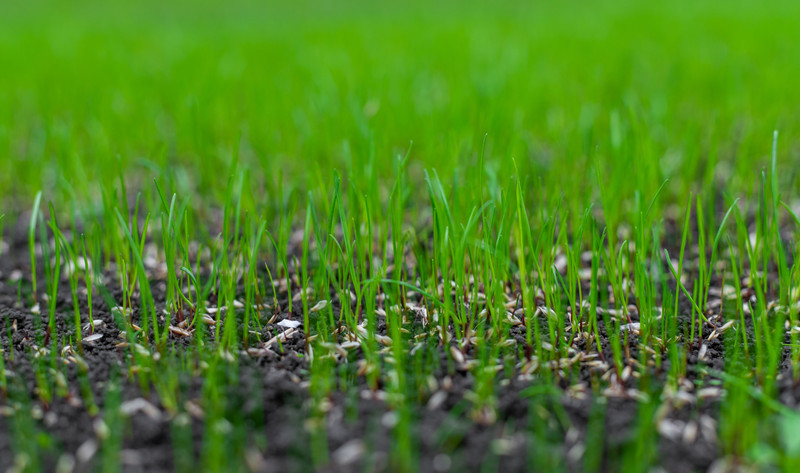
Like numerous other herbs or supplements known to impart health benefits, barley grass is also renowned for its use and consumption in the food world. Barley is used in making bread (as well as an ingredient for brewing beer), as a cereal grain – mostly for hot cereals such as cream of barley – and as a substitute for rice or pasta in adding bits of flavor to soups, stews, and salads.
When it it comes to its place in the world of herbs and supplements, however, barley – or more specifically, barley grass – flies under the radar when the discussion turns to healthy herbs and supplements. That explains its inclusion in our ongoing series of Unsung Supplements that deserve added attention for the good that they can do for your health. In barley grass’s case, that encompasses a wide variety of potential health benefits.
Barley grass’s health-inducing qualities range from acting as an antioxidant and a source of bones-enhancing calcium to reducing the risk of heart disease and as a hardy provider of dietary fiber that aids digestion by feeding the “good bacteria” residing in your gut.
So What Exactly is the Barley Story?
Also known as “barley leaves” and “barley greens,” barley grass is the green leafy part of barley, a grain that reportedly is ranked as the world’s fourth-most significant cereal crop. Barley grass itself has been labeled as a “superfood” because of its abundant content of chlorophyll and because its versatility as a dietary supplement is found in its ability to support intentional weight loss, enhanced immune function, and as a means to overall health and wellness.
Its gluten-free status makes it especially valued by those who don’t tolerate gluten well, as does its being packed full of assorted vitamins (A, C, and E), minerals (potassium, magnesium, manganese, etc.), fibers, and amino acids (lysine, arginine, methionine, tryptophan, etc.). That certainly is a mouthful of healthful ingredients and compounds, but then we would expect nothing less of a superfood.
6 of Barley Grass’s Most Significant Health Benefits
Let’s zero in on six of barley grass’s best health benefits, in which we will overlap some of what we have already discussed along with some additional information to better tell its whole story:
Provides ample magnesium. As we’ve pointed out, barley grass is a source of numerous minerals and nutrients, but we single out its supply of magnesium because it is involved in hundreds of enzyme actions, including those basic to energy production and glucose control.
Controls Your Appetite. Barley’s healthful provision of fiber and protein, when consumed, can help you feel full more quickly than usual and stay feeling full, thus curbing you appetite and possibly helping with desired weight loss. In fact, barley grass juice has a reputation of being a potential weight-loss aid.
Might regulate blood-sugar levels. Its provision of insoluble fiber can assist with gut cleansing and in the process drop elevated blood-sugar levels and boost insulin sensitivity, thus making it simpler for proper use of insulin.
Acts as an antioxidant. Credit this to barley grass’s provision of both vitamin A and vitamin C, which are natural antioxidants able to fend off free radicals that can damage parts of your body, such as decreasing skin elasticity.
Reduces risk of cardiovascular disease. Barley grass’s soluble dietary fiber is integral to your health in part because it can actually absorb excess cholesterol before it gets into your blood, thus reducing unwanted elevated cholesterol levels while diminishing the risk of heart attacks and strokes.
Acts as a blood cleanser. Credit this to the presence of chlorophyll, which is known to help cleanse your blood while also bolstering the manufacture of red blood cells that in turn elevate the amount of oxygen they can transport throughout the body.
Barley grass might not have been top of mind when you woke up this morning, but, as you can now see, its varied health benefits should move it up higher on your to-do list of natural remedies to check out for yourself. Along the way, though, be sure to discuss any plans you might have for its use with your personal physician or other healthcare provider to make sure it is suitable for your particular health needs and conditions.